

Quick Summary
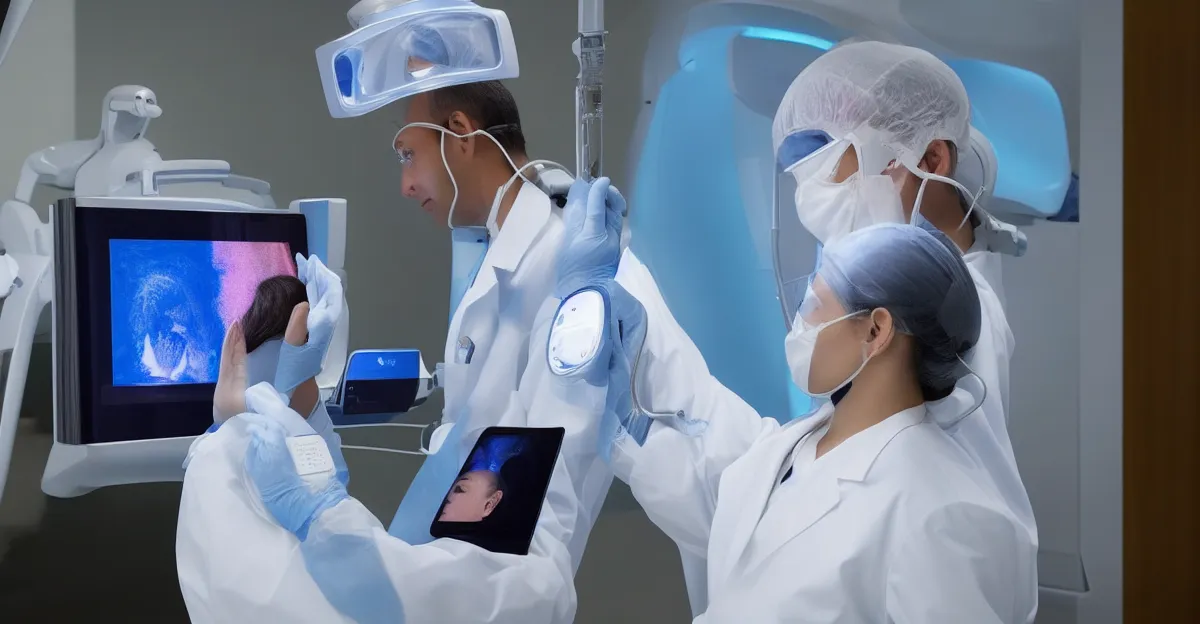
Artificial Intelligence is starting to change how doctors practice medicine. It is not just a futuristic idea anymore, it is here helping people today. AI systems can look at X-rays or scans much faster than the human eye sometimes. They are helping doctors find small problems early, which is very important for survival. Think of AI as a super-powered medical assistant that never gets tired.
AI in Healthcare: How Artificial Intelligence Is Saving Lives
Namaste everyone. It feels like technology moves so fast, doesn’t it? Sometimes we read about these huge AI things and think they are only for movies. But if you look closely, AI is already here with us in ways we might not expect.
Today, we are going to talk about a very big topic: AI in healthcare. This is not just about robots doing surgery, though that sounds like science fiction. It is much deeper than that. AI is becoming a powerful tool that helps doctors, nurses, and even families save lives around the world.
For us in Nepal, where getting to a specialist doctor can mean spending days on a bus journey, this technology feels like a lifeline. It offers hope when physical distances and resource shortages feel overwhelming.
So, what exactly is this AI doing in the clinic? It is performing tasks that are incredibly complex and require massive amounts of data to learn. And that learning process is what makes it so helpful in medicine.
Why This Topic Matters to Us in Nepal
We all know that quality healthcare access is still unequal here in our country. Sometimes, the best doctors are only available in Kathmandu or other major cities. This creates a huge problem for our fellow citizens living in remote villages.
AI holds the potential to bridge this gap. It allows high-quality medical analysis to be delivered digitally, reaching even the most isolated corners of our country.
- AI can act like a virtual specialist in places where specialists are scarce.
- It helps analyze images, scans, and patient data quickly, even with limited local training.
- It assists in early detection of diseases like cancer or diabetic retinopathy, before they become advanced.
Imagine a small health post in a mountain village. If that local healthcare worker uploads a picture of a patient’s eye scan, AI can immediately flag potential serious issues that might escape the human eye.
This is not about replacing the doctor. Far from it. It is about empowering them. It gives frontline workers a powerful assistant that was previously unavailable to them.
What This Means for You and Your Family
When we talk about AI in medicine, the concepts can sound really scary or very complicated. Let me break down some of the real-world applications into simple terms that everyone can understand.
Spotting Trouble Early
One of the biggest ways AI helps is in early detection. Think about mammograms or X-rays. These images hold silent clues about potential problems inside the body.
An AI system, trained on thousands of successful and unsuccessful cases, can spot tiny patterns that might indicate cancer or infection. It is like having a super sharp pair of digital eyes checking the image before the human doctor even looks at it.
- Radiology Support: AI assists radiologists in reviewing scans like CT or MRI. It highlights suspicious areas that need more attention from the doctor.
- Ophthalmology Screening: For eye diseases like diabetic retinopathy, AI apps can analyze photos taken with a smartphone. This checks for signs of serious conditions without needing expensive lab equipment.
- Pathology: In laboratory work, AI helps pathologists analyze tissue samples much faster than manual methods. This speeds up the diagnosis process dramatically.
This early detection is perhaps the most life-saving application. Finding a problem when it is small and manageable makes treatment much simpler and far more successful.
Personalized Treatment Plans
Think about it like this. Every patient is unique, right? They have different genetics, lifestyle habits, and how their body responds to various medicines. One size does not fit all.
AI can process vast amounts of patient data, including genetic information and how previous similar patients responded to different drugs. It then suggests the most likely effective treatment plan for your specific situation.
- Drug Discovery: AI speeds up the process of finding new medicines. It predicts how compounds might interact with the human body, saving years in lab research.
- Dosage Adjustment: It helps doctors figure out the perfect dosage, especially for complex diseases where small amounts can make a big difference.
- Predicting Outcomes: AI models can predict how severe an illness might become based on initial symptoms, allowing doctors to intervene much earlier.
This ability to tailor treatment is a huge leap forward from the generalized treatments of the past. It brings medicine into a truly personal age.
Practical Tips for You and Your Community
Okay, so we understand the big picture. But what can average people do about this? How can my family benefit from these powerful technologies without needing a Harvard medical degree?
The key is being proactive and being willing to embrace digital health solutions. You don’t have to be a coder to benefit from AI; you just need access and openness.
- Maintain Accurate Records: Keep track of your health history, test results, and any medication changes. This data is gold when it comes to AI analysis later on.
- Be Open with Your Doctor: Tell your doctor everything about how you feel, even the small details. These nuances are often what AI models need to learn from your case.
- Use Available Digital Tools: Many mobile health apps are starting to use basic AI for things like tracking blood pressure or monitoring diet. Use these when available and verified.
Think of your health journey as a conversation between you, your doctor, and the technology that assists them. It is a team effort.
How This Affects Nepal: Making It Our Reality
For us in Nepal, the challenge is how to scale these global solutions into our specific local realities. We cannot simply wait for all the high-tech infrastructure to arrive overnight.
But the good news is that mobile technology, which is already incredibly widespread here, is the perfect delivery vehicle for AI-driven healthcare solutions.
- Telemedicine Plus AI: When a doctor in the capital cannot reach a patient in a remote hill, they can use an AI tool to analyze preliminary data sent by the village health worker. This speeds up consultation and diagnosis significantly.
- Training Local Heroes: We can train our local community health workers on how to properly capture and upload data. They become the bridge between advanced AI and our villagers.
- Disease Surveillance: AI can analyze patterns of disease outbreaks faster than human observation alone, allowing authorities to respond to epidemics much more efficiently. This is vital during monsoon or winter illness surges.
This combination of basic mobile access and powerful AI analysis offers a very realistic path toward achieving equitable healthcare across all altitudes in Nepal.
It shifts the paradigm from “Do we have a doctor here?” to “How can technology help my available resources go further?”. This mindset shift is where the real magic happens.
Tools and Resources to Try Today
While high-end medical AI is mostly in research labs, there are simpler tools we can observe and perhaps even utilize. These examples help illustrate the power of AI in health without needing a fancy hospital setting.
- AI Symptom Checkers (Use with Caution): Many free apps allow you to input symptoms and get potential matches. Always treat these as suggestions, never a final diagnosis. They are great for initial information gathering before seeing a professional.
- Guided Breathing/Meditation Apps: These use AI to track your usage patterns and improve the guidance, helping manage stress which is very important for overall health.
- Wearable Device Data Analysis: Smartwatches and fitness bands use algorithms to track heart rate variability, sleep quality, and activity. If you are consistent with this data, it becomes a powerful health record.
These tools are small steps, but they teach us how technology can become a partner in our well-being journey.
The future of health care will not be run by one single invention. It will be a beautiful combination of human wisdom, powerful data, and smart machines working together side by side.
Final Thoughts: Embracing the Future of Wellness
AI is not coming to take over medicine; it is coming to enhance and accelerate it. For a developing nation like ours, this technology represents opportunity as much as it presents complexity.
The path ahead requires continued education, investment in local talent, and a willingness from all of us to be part of this health tech revolution. We must guide this powerful tool responsibly.
Let us move forward with hope and informed optimism. Let us use technology not just for gadgets, but for profound human benefit—the gift of good health and a longer life.
Follow KhulaPost.com for more tech tips and digital literacy guides.