

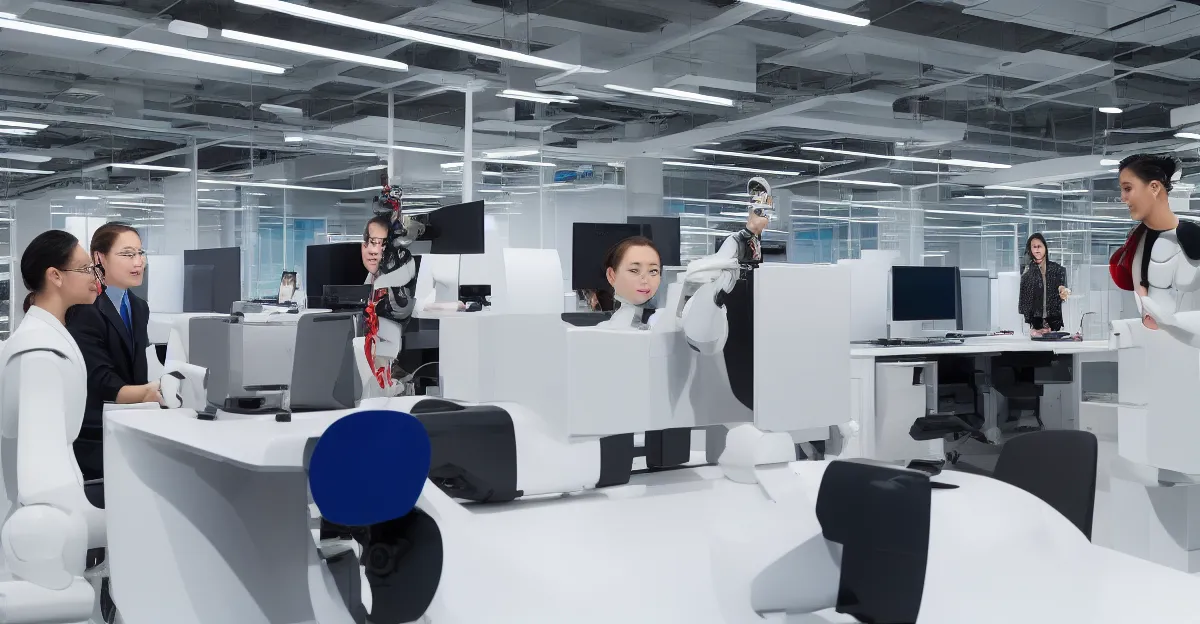
So, let us embrace this future not with fear, but with curiosity. Let’s start experimenting today. The career of 2026 belongs to those who decide to be part of the conversation, not just the audience.
Follow KhulaPost.com for more tech tips and digital literacy guides.
But I want to end this with a message of tremendous optimism. We, the Nepali generation, have always been known for our resilience and adaptability. We are masters at making do with what we have, finding solutions where others see only problems.
AI is simply the newest, most powerful resource available to us. It is a shovel that can dig up gold if you know where to point it, or it can just be a pile of metal if you don’t use it. The power remains in our hands, in our willingness to pick up the tool and learn its language.
So, let us embrace this future not with fear, but with curiosity. Let’s start experimenting today. The career of 2026 belongs to those who decide to be part of the conversation, not just the audience.
Follow KhulaPost.com for more tech tips and digital literacy guides.
The changes ahead are massive, and they will not be comfortable. There is no quick fix or magic button to press that makes AI disappear into thin air. The transition will require effort, willingness to learn, and a bit of patience.
But I want to end this with a message of tremendous optimism. We, the Nepali generation, have always been known for our resilience and adaptability. We are masters at making do with what we have, finding solutions where others see only problems.
AI is simply the newest, most powerful resource available to us. It is a shovel that can dig up gold if you know where to point it, or it can just be a pile of metal if you don’t use it. The power remains in our hands, in our willingness to pick up the tool and learn its language.
So, let us embrace this future not with fear, but with curiosity. Let’s start experimenting today. The career of 2026 belongs to those who decide to be part of the conversation, not just the audience.
Follow KhulaPost.com for more tech tips and digital literacy guides.
The changes ahead are massive, and they will not be comfortable. There is no quick fix or magic button to press that makes AI disappear into thin air. The transition will require effort, willingness to learn, and a bit of patience.
But I want to end this with a message of tremendous optimism. We, the Nepali generation, have always been known for our resilience and adaptability. We are masters at making do with what we have, finding solutions where others see only problems.
AI is simply the newest, most powerful resource available to us. It is a shovel that can dig up gold if you know where to point it, or it can just be a pile of metal if you don’t use it. The power remains in our hands, in our willingness to pick up the tool and learn its language.
So, let us embrace this future not with fear, but with curiosity. Let’s start experimenting today. The career of 2026 belongs to those who decide to be part of the conversation, not just the audience.
Follow KhulaPost.com for more tech tips and digital literacy guides.
My advice is to dedicate just 30 minutes a day this week. Don’t try to solve world hunger with AI in that half hour. Just use it for small, nagging tasks. Ask it to refine your CV, or draft a response to a difficult client email. See how much time you save.
This small, consistent practice is what bridges the gap between being someone who *fears* technology and someone who *masters* it. It turns the theoretical into practical, making your future proof.
Antim Kura (Final Thoughts)
The changes ahead are massive, and they will not be comfortable. There is no quick fix or magic button to press that makes AI disappear into thin air. The transition will require effort, willingness to learn, and a bit of patience.
But I want to end this with a message of tremendous optimism. We, the Nepali generation, have always been known for our resilience and adaptability. We are masters at making do with what we have, finding solutions where others see only problems.
AI is simply the newest, most powerful resource available to us. It is a shovel that can dig up gold if you know where to point it, or it can just be a pile of metal if you don’t use it. The power remains in our hands, in our willingness to pick up the tool and learn its language.
So, let us embrace this future not with fear, but with curiosity. Let’s start experimenting today. The career of 2026 belongs to those who decide to be part of the conversation, not just the audience.
Follow KhulaPost.com for more tech tips and digital literacy guides.
My advice is to dedicate just 30 minutes a day this week. Don’t try to solve world hunger with AI in that half hour. Just use it for small, nagging tasks. Ask it to refine your CV, or draft a response to a difficult client email. See how much time you save.
This small, consistent practice is what bridges the gap between being someone who *fears* technology and someone who *masters* it. It turns the theoretical into practical, making your future proof.
Antim Kura (Final Thoughts)
The changes ahead are massive, and they will not be comfortable. There is no quick fix or magic button to press that makes AI disappear into thin air. The transition will require effort, willingness to learn, and a bit of patience.
But I want to end this with a message of tremendous optimism. We, the Nepali generation, have always been known for our resilience and adaptability. We are masters at making do with what we have, finding solutions where others see only problems.
AI is simply the newest, most powerful resource available to us. It is a shovel that can dig up gold if you know where to point it, or it can just be a pile of metal if you don’t use it. The power remains in our hands, in our willingness to pick up the tool and learn its language.
So, let us embrace this future not with fear, but with curiosity. Let’s start experimenting today. The career of 2026 belongs to those who decide to be part of the conversation, not just the audience.
Follow KhulaPost.com for more tech tips and digital literacy guides.
Okay, enough theory. You might be thinking, “Sounds great, but where do I start? I am overwhelmed.” Don’t worry. You don’t need to buy expensive software packages yet. There are many free, powerful tools available today that you can start experimenting with this week.
The goal here is not perfection; the goal is familiarity. You need to talk to the machine, see how it responds, and learn its limits. Think of these first interactions like learning a new language.
- Large Language Models (Like ChatGPT or Gemini): Use these for brainstorming, drafting emails in professional English, summarizing long articles, or even practicing interview questions. Try giving it a specific persona like “Act as an experienced Kathmandu business owner.”
- Image Generators (Like Midjourney or DALL-E): If you are in marketing, these tools can turn a simple idea into a stunning visual concept without needing expensive graphic design software. This is huge for social media presence.
- Video Scripting Assistants: If you want to start a YouTube channel or instructional video, these tools can help structure your thoughts into compelling scripts and suggest visual ideas.
My advice is to dedicate just 30 minutes a day this week. Don’t try to solve world hunger with AI in that half hour. Just use it for small, nagging tasks. Ask it to refine your CV, or draft a response to a difficult client email. See how much time you save.
This small, consistent practice is what bridges the gap between being someone who *fears* technology and someone who *masters* it. It turns the theoretical into practical, making your future proof.
Antim Kura (Final Thoughts)
The changes ahead are massive, and they will not be comfortable. There is no quick fix or magic button to press that makes AI disappear into thin air. The transition will require effort, willingness to learn, and a bit of patience.
But I want to end this with a message of tremendous optimism. We, the Nepali generation, have always been known for our resilience and adaptability. We are masters at making do with what we have, finding solutions where others see only problems.
AI is simply the newest, most powerful resource available to us. It is a shovel that can dig up gold if you know where to point it, or it can just be a pile of metal if you don’t use it. The power remains in our hands, in our willingness to pick up the tool and learn its language.
So, let us embrace this future not with fear, but with curiosity. Let’s start experimenting today. The career of 2026 belongs to those who decide to be part of the conversation, not just the audience.
Follow KhulaPost.com for more tech tips and digital literacy guides.
Okay, enough theory. You might be thinking, “Sounds great, but where do I start? I am overwhelmed.” Don’t worry. You don’t need to buy expensive software packages yet. There are many free, powerful tools available today that you can start experimenting with this week.
The goal here is not perfection; the goal is familiarity. You need to talk to the machine, see how it responds, and learn its limits. Think of these first interactions like learning a new language.
- Large Language Models (Like ChatGPT or Gemini): Use these for brainstorming, drafting emails in professional English, summarizing long articles, or even practicing interview questions. Try giving it a specific persona like “Act as an experienced Kathmandu business owner.”
- Image Generators (Like Midjourney or DALL-E): If you are in marketing, these tools can turn a simple idea into a stunning visual concept without needing expensive graphic design software. This is huge for social media presence.
- Video Scripting Assistants: If you want to start a YouTube channel or instructional video, these tools can help structure your thoughts into compelling scripts and suggest visual ideas.
My advice is to dedicate just 30 minutes a day this week. Don’t try to solve world hunger with AI in that half hour. Just use it for small, nagging tasks. Ask it to refine your CV, or draft a response to a difficult client email. See how much time you save.
This small, consistent practice is what bridges the gap between being someone who *fears* technology and someone who *masters* it. It turns the theoretical into practical, making your future proof.
Antim Kura (Final Thoughts)
The changes ahead are massive, and they will not be comfortable. There is no quick fix or magic button to press that makes AI disappear into thin air. The transition will require effort, willingness to learn, and a bit of patience.
But I want to end this with a message of tremendous optimism. We, the Nepali generation, have always been known for our resilience and adaptability. We are masters at making do with what we have, finding solutions where others see only problems.
AI is simply the newest, most powerful resource available to us. It is a shovel that can dig up gold if you know where to point it, or it can just be a pile of metal if you don’t use it. The power remains in our hands, in our willingness to pick up the tool and learn its language.
So, let us embrace this future not with fear, but with curiosity. Let’s start experimenting today. The career of 2026 belongs to those who decide to be part of the conversation, not just the audience.
Follow KhulaPost.com for more tech tips and digital literacy guides.
The key phrase here is ‘leverage.’ We must stop seeing technology as a replacement for our hard work. Instead, we need to see it as the ultimate tool that amplifies our hardest, smartest work.
Aageko Siksha Ra Prayog Garne Tools (Tools and Resources to Try)
Okay, enough theory. You might be thinking, “Sounds great, but where do I start? I am overwhelmed.” Don’t worry. You don’t need to buy expensive software packages yet. There are many free, powerful tools available today that you can start experimenting with this week.
The goal here is not perfection; the goal is familiarity. You need to talk to the machine, see how it responds, and learn its limits. Think of these first interactions like learning a new language.
- Large Language Models (Like ChatGPT or Gemini): Use these for brainstorming, drafting emails in professional English, summarizing long articles, or even practicing interview questions. Try giving it a specific persona like “Act as an experienced Kathmandu business owner.”
- Image Generators (Like Midjourney or DALL-E): If you are in marketing, these tools can turn a simple idea into a stunning visual concept without needing expensive graphic design software. This is huge for social media presence.
- Video Scripting Assistants: If you want to start a YouTube channel or instructional video, these tools can help structure your thoughts into compelling scripts and suggest visual ideas.
My advice is to dedicate just 30 minutes a day this week. Don’t try to solve world hunger with AI in that half hour. Just use it for small, nagging tasks. Ask it to refine your CV, or draft a response to a difficult client email. See how much time you save.
This small, consistent practice is what bridges the gap between being someone who *fears* technology and someone who *masters* it. It turns the theoretical into practical, making your future proof.
Antim Kura (Final Thoughts)
The changes ahead are massive, and they will not be comfortable. There is no quick fix or magic button to press that makes AI disappear into thin air. The transition will require effort, willingness to learn, and a bit of patience.
But I want to end this with a message of tremendous optimism. We, the Nepali generation, have always been known for our resilience and adaptability. We are masters at making do with what we have, finding solutions where others see only problems.
AI is simply the newest, most powerful resource available to us. It is a shovel that can dig up gold if you know where to point it, or it can just be a pile of metal if you don’t use it. The power remains in our hands, in our willingness to pick up the tool and learn its language.
So, let us embrace this future not with fear, but with curiosity. Let’s start experimenting today. The career of 2026 belongs to those who decide to be part of the conversation, not just the audience.
Follow KhulaPost.com for more tech tips and digital literacy guides.
This is the power of AI for SMEs, or Small and Medium Enterprises. It acts as a low-cost global marketing department that was previously only available to big companies abroad.
For our educated youth, AI tools are also becoming powerful bridges. If you are struggling to find a high-paying job abroad, using AI to make your local work product look and function like an international standard piece can open doors right here, keeping talent within Nepal.
- Agro-Tech Solutions: Farmers can use AI voice assistants to diagnose plant diseases from a picture and get immediate, localized advice on treatment, drastically increasing yields.
- Service Sector Upgrading: Small tour operators can use AI to customize multi-day itineraries for international travelers in real time, moving beyond standard package tours.
- Digitalized Administration: Small businesses can use AI to handle basic paperwork and customer queries, freeing up the owner to focus on growth strategy instead of chasing receipts.
The key phrase here is ‘leverage.’ We must stop seeing technology as a replacement for our hard work. Instead, we need to see it as the ultimate tool that amplifies our hardest, smartest work.
Aageko Siksha Ra Prayog Garne Tools (Tools and Resources to Try)
Okay, enough theory. You might be thinking, “Sounds great, but where do I start? I am overwhelmed.” Don’t worry. You don’t need to buy expensive software packages yet. There are many free, powerful tools available today that you can start experimenting with this week.
The goal here is not perfection; the goal is familiarity. You need to talk to the machine, see how it responds, and learn its limits. Think of these first interactions like learning a new language.
- Large Language Models (Like ChatGPT or Gemini): Use these for brainstorming, drafting emails in professional English, summarizing long articles, or even practicing interview questions. Try giving it a specific persona like “Act as an experienced Kathmandu business owner.”
- Image Generators (Like Midjourney or DALL-E): If you are in marketing, these tools can turn a simple idea into a stunning visual concept without needing expensive graphic design software. This is huge for social media presence.
- Video Scripting Assistants: If you want to start a YouTube channel or instructional video, these tools can help structure your thoughts into compelling scripts and suggest visual ideas.
My advice is to dedicate just 30 minutes a day this week. Don’t try to solve world hunger with AI in that half hour. Just use it for small, nagging tasks. Ask it to refine your CV, or draft a response to a difficult client email. See how much time you save.
This small, consistent practice is what bridges the gap between being someone who *fears* technology and someone who *masters* it. It turns the theoretical into practical, making your future proof.
Antim Kura (Final Thoughts)
The changes ahead are massive, and they will not be comfortable. There is no quick fix or magic button to press that makes AI disappear into thin air. The transition will require effort, willingness to learn, and a bit of patience.
But I want to end this with a message of tremendous optimism. We, the Nepali generation, have always been known for our resilience and adaptability. We are masters at making do with what we have, finding solutions where others see only problems.
AI is simply the newest, most powerful resource available to us. It is a shovel that can dig up gold if you know where to point it, or it can just be a pile of metal if you don’t use it. The power remains in our hands, in our willingness to pick up the tool and learn its language.
So, let us embrace this future not with fear, but with curiosity. Let’s start experimenting today. The career of 2026 belongs to those who decide to be part of the conversation, not just the audience.
Follow KhulaPost.com for more tech tips and digital literacy guides.
With AI tools, she can now use one program to suggest five different marketing slogans, another to perfectly translate her pricing into buyer-friendly English, and a third to generate professional product images, all in minutes. This dramatically changes her business scale without needing more physical labor.
This is the power of AI for SMEs, or Small and Medium Enterprises. It acts as a low-cost global marketing department that was previously only available to big companies abroad.
For our educated youth, AI tools are also becoming powerful bridges. If you are struggling to find a high-paying job abroad, using AI to make your local work product look and function like an international standard piece can open doors right here, keeping talent within Nepal.
- Agro-Tech Solutions: Farmers can use AI voice assistants to diagnose plant diseases from a picture and get immediate, localized advice on treatment, drastically increasing yields.
- Service Sector Upgrading: Small tour operators can use AI to customize multi-day itineraries for international travelers in real time, moving beyond standard package tours.
- Digitalized Administration: Small businesses can use AI to handle basic paperwork and customer queries, freeing up the owner to focus on growth strategy instead of chasing receipts.
The key phrase here is ‘leverage.’ We must stop seeing technology as a replacement for our hard work. Instead, we need to see it as the ultimate tool that amplifies our hardest, smartest work.
Aageko Siksha Ra Prayog Garne Tools (Tools and Resources to Try)
Okay, enough theory. You might be thinking, “Sounds great, but where do I start? I am overwhelmed.” Don’t worry. You don’t need to buy expensive software packages yet. There are many free, powerful tools available today that you can start experimenting with this week.
The goal here is not perfection; the goal is familiarity. You need to talk to the machine, see how it responds, and learn its limits. Think of these first interactions like learning a new language.
- Large Language Models (Like ChatGPT or Gemini): Use these for brainstorming, drafting emails in professional English, summarizing long articles, or even practicing interview questions. Try giving it a specific persona like “Act as an experienced Kathmandu business owner.”
- Image Generators (Like Midjourney or DALL-E): If you are in marketing, these tools can turn a simple idea into a stunning visual concept without needing expensive graphic design software. This is huge for social media presence.
- Video Scripting Assistants: If you want to start a YouTube channel or instructional video, these tools can help structure your thoughts into compelling scripts and suggest visual ideas.
My advice is to dedicate just 30 minutes a day this week. Don’t try to solve world hunger with AI in that half hour. Just use it for small, nagging tasks. Ask it to refine your CV, or draft a response to a difficult client email. See how much time you save.
This small, consistent practice is what bridges the gap between being someone who *fears* technology and someone who *masters* it. It turns the theoretical into practical, making your future proof.
Antim Kura (Final Thoughts)
The changes ahead are massive, and they will not be comfortable. There is no quick fix or magic button to press that makes AI disappear into thin air. The transition will require effort, willingness to learn, and a bit of patience.
But I want to end this with a message of tremendous optimism. We, the Nepali generation, have always been known for our resilience and adaptability. We are masters at making do with what we have, finding solutions where others see only problems.
AI is simply the newest, most powerful resource available to us. It is a shovel that can dig up gold if you know where to point it, or it can just be a pile of metal if you don’t use it. The power remains in our hands, in our willingness to pick up the tool and learn its language.
So, let us embrace this future not with fear, but with curiosity. Let’s start experimenting today. The career of 2026 belongs to those who decide to be part of the conversation, not just the audience.
Follow KhulaPost.com for more tech tips and digital literacy guides.
Imagine a small village entrepreneur who runs an handicraft business. Before, she had to handle everything: designing the product, taking photos, writing descriptions in English, pricing it for international buyers, and managing social media. This is incredibly time-consuming.
With AI tools, she can now use one program to suggest five different marketing slogans, another to perfectly translate her pricing into buyer-friendly English, and a third to generate professional product images, all in minutes. This dramatically changes her business scale without needing more physical labor.
This is the power of AI for SMEs, or Small and Medium Enterprises. It acts as a low-cost global marketing department that was previously only available to big companies abroad.
For our educated youth, AI tools are also becoming powerful bridges. If you are struggling to find a high-paying job abroad, using AI to make your local work product look and function like an international standard piece can open doors right here, keeping talent within Nepal.
- Agro-Tech Solutions: Farmers can use AI voice assistants to diagnose plant diseases from a picture and get immediate, localized advice on treatment, drastically increasing yields.
- Service Sector Upgrading: Small tour operators can use AI to customize multi-day itineraries for international travelers in real time, moving beyond standard package tours.
- Digitalized Administration: Small businesses can use AI to handle basic paperwork and customer queries, freeing up the owner to focus on growth strategy instead of chasing receipts.
The key phrase here is ‘leverage.’ We must stop seeing technology as a replacement for our hard work. Instead, we need to see it as the ultimate tool that amplifies our hardest, smartest work.
Aageko Siksha Ra Prayog Garne Tools (Tools and Resources to Try)
Okay, enough theory. You might be thinking, “Sounds great, but where do I start? I am overwhelmed.” Don’t worry. You don’t need to buy expensive software packages yet. There are many free, powerful tools available today that you can start experimenting with this week.
The goal here is not perfection; the goal is familiarity. You need to talk to the machine, see how it responds, and learn its limits. Think of these first interactions like learning a new language.
- Large Language Models (Like ChatGPT or Gemini): Use these for brainstorming, drafting emails in professional English, summarizing long articles, or even practicing interview questions. Try giving it a specific persona like “Act as an experienced Kathmandu business owner.”
- Image Generators (Like Midjourney or DALL-E): If you are in marketing, these tools can turn a simple idea into a stunning visual concept without needing expensive graphic design software. This is huge for social media presence.
- Video Scripting Assistants: If you want to start a YouTube channel or instructional video, these tools can help structure your thoughts into compelling scripts and suggest visual ideas.
My advice is to dedicate just 30 minutes a day this week. Don’t try to solve world hunger with AI in that half hour. Just use it for small, nagging tasks. Ask it to refine your CV, or draft a response to a difficult client email. See how much time you save.
This small, consistent practice is what bridges the gap between being someone who *fears* technology and someone who *masters* it. It turns the theoretical into practical, making your future proof.
Antim Kura (Final Thoughts)
The changes ahead are massive, and they will not be comfortable. There is no quick fix or magic button to press that makes AI disappear into thin air. The transition will require effort, willingness to learn, and a bit of patience.
But I want to end this with a message of tremendous optimism. We, the Nepali generation, have always been known for our resilience and adaptability. We are masters at making do with what we have, finding solutions where others see only problems.
AI is simply the newest, most powerful resource available to us. It is a shovel that can dig up gold if you know where to point it, or it can just be a pile of metal if you don’t use it. The power remains in our hands, in our willingness to pick up the tool and learn its language.
So, let us embrace this future not with fear, but with curiosity. Let’s start experimenting today. The career of 2026 belongs to those who decide to be part of the conversation, not just the audience.
Follow KhulaPost.com for more tech tips and digital literacy guides.
Let’s bring this global conversation right back home. For Nepal, the impact of AI is perhaps even more interesting because we have unique challenges and massive potential waiting to be unlocked. We are often dealing with businesses that are still very traditional, relying heavily on manual processes.
Imagine a small village entrepreneur who runs an handicraft business. Before, she had to handle everything: designing the product, taking photos, writing descriptions in English, pricing it for international buyers, and managing social media. This is incredibly time-consuming.
With AI tools, she can now use one program to suggest five different marketing slogans, another to perfectly translate her pricing into buyer-friendly English, and a third to generate professional product images, all in minutes. This dramatically changes her business scale without needing more physical labor.
This is the power of AI for SMEs, or Small and Medium Enterprises. It acts as a low-cost global marketing department that was previously only available to big companies abroad.
For our educated youth, AI tools are also becoming powerful bridges. If you are struggling to find a high-paying job abroad, using AI to make your local work product look and function like an international standard piece can open doors right here, keeping talent within Nepal.
- Agro-Tech Solutions: Farmers can use AI voice assistants to diagnose plant diseases from a picture and get immediate, localized advice on treatment, drastically increasing yields.
- Service Sector Upgrading: Small tour operators can use AI to customize multi-day itineraries for international travelers in real time, moving beyond standard package tours.
- Digitalized Administration: Small businesses can use AI to handle basic paperwork and customer queries, freeing up the owner to focus on growth strategy instead of chasing receipts.
The key phrase here is ‘leverage.’ We must stop seeing technology as a replacement for our hard work. Instead, we need to see it as the ultimate tool that amplifies our hardest, smartest work.
Aageko Siksha Ra Prayog Garne Tools (Tools and Resources to Try)
Okay, enough theory. You might be thinking, “Sounds great, but where do I start? I am overwhelmed.” Don’t worry. You don’t need to buy expensive software packages yet. There are many free, powerful tools available today that you can start experimenting with this week.
The goal here is not perfection; the goal is familiarity. You need to talk to the machine, see how it responds, and learn its limits. Think of these first interactions like learning a new language.
- Large Language Models (Like ChatGPT or Gemini): Use these for brainstorming, drafting emails in professional English, summarizing long articles, or even practicing interview questions. Try giving it a specific persona like “Act as an experienced Kathmandu business owner.”
- Image Generators (Like Midjourney or DALL-E): If you are in marketing, these tools can turn a simple idea into a stunning visual concept without needing expensive graphic design software. This is huge for social media presence.
- Video Scripting Assistants: If you want to start a YouTube channel or instructional video, these tools can help structure your thoughts into compelling scripts and suggest visual ideas.
My advice is to dedicate just 30 minutes a day this week. Don’t try to solve world hunger with AI in that half hour. Just use it for small, nagging tasks. Ask it to refine your CV, or draft a response to a difficult client email. See how much time you save.
This small, consistent practice is what bridges the gap between being someone who *fears* technology and someone who *masters* it. It turns the theoretical into practical, making your future proof.
Antim Kura (Final Thoughts)
The changes ahead are massive, and they will not be comfortable. There is no quick fix or magic button to press that makes AI disappear into thin air. The transition will require effort, willingness to learn, and a bit of patience.
But I want to end this with a message of tremendous optimism. We, the Nepali generation, have always been known for our resilience and adaptability. We are masters at making do with what we have, finding solutions where others see only problems.
AI is simply the newest, most powerful resource available to us. It is a shovel that can dig up gold if you know where to point it, or it can just be a pile of metal if you don’t use it. The power remains in our hands, in our willingness to pick up the tool and learn its language.
So, let us embrace this future not with fear, but with curiosity. Let’s start experimenting today. The career of 2026 belongs to those who decide to be part of the conversation, not just the audience.
Follow KhulaPost.com for more tech tips and digital literacy guides.
Let’s bring this global conversation right back home. For Nepal, the impact of AI is perhaps even more interesting because we have unique challenges and massive potential waiting to be unlocked. We are often dealing with businesses that are still very traditional, relying heavily on manual processes.
Imagine a small village entrepreneur who runs an handicraft business. Before, she had to handle everything: designing the product, taking photos, writing descriptions in English, pricing it for international buyers, and managing social media. This is incredibly time-consuming.
With AI tools, she can now use one program to suggest five different marketing slogans, another to perfectly translate her pricing into buyer-friendly English, and a third to generate professional product images, all in minutes. This dramatically changes her business scale without needing more physical labor.
This is the power of AI for SMEs, or Small and Medium Enterprises. It acts as a low-cost global marketing department that was previously only available to big companies abroad.
For our educated youth, AI tools are also becoming powerful bridges. If you are struggling to find a high-paying job abroad, using AI to make your local work product look and function like an international standard piece can open doors right here, keeping talent within Nepal.
- Agro-Tech Solutions: Farmers can use AI voice assistants to diagnose plant diseases from a picture and get immediate, localized advice on treatment, drastically increasing yields.
- Service Sector Upgrading: Small tour operators can use AI to customize multi-day itineraries for international travelers in real time, moving beyond standard package tours.
- Digitalized Administration: Small businesses can use AI to handle basic paperwork and customer queries, freeing up the owner to focus on growth strategy instead of chasing receipts.
The key phrase here is ‘leverage.’ We must stop seeing technology as a replacement for our hard work. Instead, we need to see it as the ultimate tool that amplifies our hardest, smartest work.
Aageko Siksha Ra Prayog Garne Tools (Tools and Resources to Try)
Okay, enough theory. You might be thinking, “Sounds great, but where do I start? I am overwhelmed.” Don’t worry. You don’t need to buy expensive software packages yet. There are many free, powerful tools available today that you can start experimenting with this week.
The goal here is not perfection; the goal is familiarity. You need to talk to the machine, see how it responds, and learn its limits. Think of these first interactions like learning a new language.
- Large Language Models (Like ChatGPT or Gemini): Use these for brainstorming, drafting emails in professional English, summarizing long articles, or even practicing interview questions. Try giving it a specific persona like “Act as an experienced Kathmandu business owner.”
- Image Generators (Like Midjourney or DALL-E): If you are in marketing, these tools can turn a simple idea into a stunning visual concept without needing expensive graphic design software. This is huge for social media presence.
- Video Scripting Assistants: If you want to start a YouTube channel or instructional video, these tools can help structure your thoughts into compelling scripts and suggest visual ideas.
My advice is to dedicate just 30 minutes a day this week. Don’t try to solve world hunger with AI in that half hour. Just use it for small, nagging tasks. Ask it to refine your CV, or draft a response to a difficult client email. See how much time you save.
This small, consistent practice is what bridges the gap between being someone who *fears* technology and someone who *masters* it. It turns the theoretical into practical, making your future proof.
Antim Kura (Final Thoughts)
The changes ahead are massive, and they will not be comfortable. There is no quick fix or magic button to press that makes AI disappear into thin air. The transition will require effort, willingness to learn, and a bit of patience.
But I want to end this with a message of tremendous optimism. We, the Nepali generation, have always been known for our resilience and adaptability. We are masters at making do with what we have, finding solutions where others see only problems.
AI is simply the newest, most powerful resource available to us. It is a shovel that can dig up gold if you know where to point it, or it can just be a pile of metal if you don’t use it. The power remains in our hands, in our willingness to pick up the tool and learn its language.
So, let us embrace this future not with fear, but with curiosity. Let’s start experimenting today. The career of 2026 belongs to those who decide to be part of the conversation, not just the audience.
Follow KhulaPost.com for more tech tips and digital literacy guides.
This pursuit of efficiency is universal. It doesn’t matter if your goal is to become a leading software developer or just to run a successful local online business. The principle of leveraging AI remains the same.
Hamro Caie-leko Yo Kaileyo? (How This Affects Nepal)
Let’s bring this global conversation right back home. For Nepal, the impact of AI is perhaps even more interesting because we have unique challenges and massive potential waiting to be unlocked. We are often dealing with businesses that are still very traditional, relying heavily on manual processes.
Imagine a small village entrepreneur who runs an handicraft business. Before, she had to handle everything: designing the product, taking photos, writing descriptions in English, pricing it for international buyers, and managing social media. This is incredibly time-consuming.
With AI tools, she can now use one program to suggest five different marketing slogans, another to perfectly translate her pricing into buyer-friendly English, and a third to generate professional product images, all in minutes. This dramatically changes her business scale without needing more physical labor.
This is the power of AI for SMEs, or Small and Medium Enterprises. It acts as a low-cost global marketing department that was previously only available to big companies abroad.
For our educated youth, AI tools are also becoming powerful bridges. If you are struggling to find a high-paying job abroad, using AI to make your local work product look and function like an international standard piece can open doors right here, keeping talent within Nepal.
- Agro-Tech Solutions: Farmers can use AI voice assistants to diagnose plant diseases from a picture and get immediate, localized advice on treatment, drastically increasing yields.
- Service Sector Upgrading: Small tour operators can use AI to customize multi-day itineraries for international travelers in real time, moving beyond standard package tours.
- Digitalized Administration: Small businesses can use AI to handle basic paperwork and customer queries, freeing up the owner to focus on growth strategy instead of chasing receipts.
The key phrase here is ‘leverage.’ We must stop seeing technology as a replacement for our hard work. Instead, we need to see it as the ultimate tool that amplifies our hardest, smartest work.
Aageko Siksha Ra Prayog Garne Tools (Tools and Resources to Try)
Okay, enough theory. You might be thinking, “Sounds great, but where do I start? I am overwhelmed.” Don’t worry. You don’t need to buy expensive software packages yet. There are many free, powerful tools available today that you can start experimenting with this week.
The goal here is not perfection; the goal is familiarity. You need to talk to the machine, see how it responds, and learn its limits. Think of these first interactions like learning a new language.
- Large Language Models (Like ChatGPT or Gemini): Use these for brainstorming, drafting emails in professional English, summarizing long articles, or even practicing interview questions. Try giving it a specific persona like “Act as an experienced Kathmandu business owner.”
- Image Generators (Like Midjourney or DALL-E): If you are in marketing, these tools can turn a simple idea into a stunning visual concept without needing expensive graphic design software. This is huge for social media presence.
- Video Scripting Assistants: If you want to start a YouTube channel or instructional video, these tools can help structure your thoughts into compelling scripts and suggest visual ideas.
My advice is to dedicate just 30 minutes a day this week. Don’t try to solve world hunger with AI in that half hour. Just use it for small, nagging tasks. Ask it to refine your CV, or draft a response to a difficult client email. See how much time you save.
This small, consistent practice is what bridges the gap between being someone who *fears* technology and someone who *masters* it. It turns the theoretical into practical, making your future proof.
Antim Kura (Final Thoughts)
The changes ahead are massive, and they will not be comfortable. There is no quick fix or magic button to press that makes AI disappear into thin air. The transition will require effort, willingness to learn, and a bit of patience.
But I want to end this with a message of tremendous optimism. We, the Nepali generation, have always been known for our resilience and adaptability. We are masters at making do with what we have, finding solutions where others see only problems.
AI is simply the newest, most powerful resource available to us. It is a shovel that can dig up gold if you know where to point it, or it can just be a pile of metal if you don’t use it. The power remains in our hands, in our willingness to pick up the tool and learn its language.
So, let us embrace this future not with fear, but with curiosity. Let’s start experimenting today. The career of 2026 belongs to those who decide to be part of the conversation, not just the audience.
Follow KhulaPost.com for more tech tips and digital literacy guides.
Think about the difference between being a typist and being an editor. The typist performs the task. The editor makes the decisions, guides the flow, and ensures quality. AI is becoming a super-fast typist. Your job is to become the editor.
This applies across all fields, whether you are in accounting, marketing, healthcare, or even local small business management. You must learn how to prompt the AI correctly and then review its output critically.
- The AI is your assistant, not your replacement. Use it to handle the boring, time-consuming parts of your job so you can focus on the strategic thinking.
- Focus on “Why,” not “How.” Don’t just learn how to do the task. Learn why that task matters, what bigger picture it fits into, and how could it be done differently.
- Master the Prompt. The ability to clearly tell a machine what you want is becoming one of the most valuable skills in any industry. It is like learning how to talk to a super-powerful but very literal robot.
This pursuit of efficiency is universal. It doesn’t matter if your goal is to become a leading software developer or just to run a successful local online business. The principle of leveraging AI remains the same.
Hamro Caie-leko Yo Kaileyo? (How This Affects Nepal)
Let’s bring this global conversation right back home. For Nepal, the impact of AI is perhaps even more interesting because we have unique challenges and massive potential waiting to be unlocked. We are often dealing with businesses that are still very traditional, relying heavily on manual processes.
Imagine a small village entrepreneur who runs an handicraft business. Before, she had to handle everything: designing the product, taking photos, writing descriptions in English, pricing it for international buyers, and managing social media. This is incredibly time-consuming.
With AI tools, she can now use one program to suggest five different marketing slogans, another to perfectly translate her pricing into buyer-friendly English, and a third to generate professional product images, all in minutes. This dramatically changes her business scale without needing more physical labor.
This is the power of AI for SMEs, or Small and Medium Enterprises. It acts as a low-cost global marketing department that was previously only available to big companies abroad.
For our educated youth, AI tools are also becoming powerful bridges. If you are struggling to find a high-paying job abroad, using AI to make your local work product look and function like an international standard piece can open doors right here, keeping talent within Nepal.
- Agro-Tech Solutions: Farmers can use AI voice assistants to diagnose plant diseases from a picture and get immediate, localized advice on treatment, drastically increasing yields.
- Service Sector Upgrading: Small tour operators can use AI to customize multi-day itineraries for international travelers in real time, moving beyond standard package tours.
- Digitalized Administration: Small businesses can use AI to handle basic paperwork and customer queries, freeing up the owner to focus on growth strategy instead of chasing receipts.
The key phrase here is ‘leverage.’ We must stop seeing technology as a replacement for our hard work. Instead, we need to see it as the ultimate tool that amplifies our hardest, smartest work.
Aageko Siksha Ra Prayog Garne Tools (Tools and Resources to Try)
Okay, enough theory. You might be thinking, “Sounds great, but where do I start? I am overwhelmed.” Don’t worry. You don’t need to buy expensive software packages yet. There are many free, powerful tools available today that you can start experimenting with this week.
The goal here is not perfection; the goal is familiarity. You need to talk to the machine, see how it responds, and learn its limits. Think of these first interactions like learning a new language.
- Large Language Models (Like ChatGPT or Gemini): Use these for brainstorming, drafting emails in professional English, summarizing long articles, or even practicing interview questions. Try giving it a specific persona like “Act as an experienced Kathmandu business owner.”
- Image Generators (Like Midjourney or DALL-E): If you are in marketing, these tools can turn a simple idea into a stunning visual concept without needing expensive graphic design software. This is huge for social media presence.
- Video Scripting Assistants: If you want to start a YouTube channel or instructional video, these tools can help structure your thoughts into compelling scripts and suggest visual ideas.
My advice is to dedicate just 30 minutes a day this week. Don’t try to solve world hunger with AI in that half hour. Just use it for small, nagging tasks. Ask it to refine your CV, or draft a response to a difficult client email. See how much time you save.
This small, consistent practice is what bridges the gap between being someone who *fears* technology and someone who *masters* it. It turns the theoretical into practical, making your future proof.
Antim Kura (Final Thoughts)
The changes ahead are massive, and they will not be comfortable. There is no quick fix or magic button to press that makes AI disappear into thin air. The transition will require effort, willingness to learn, and a bit of patience.
But I want to end this with a message of tremendous optimism. We, the Nepali generation, have always been known for our resilience and adaptability. We are masters at making do with what we have, finding solutions where others see only problems.
AI is simply the newest, most powerful resource available to us. It is a shovel that can dig up gold if you know where to point it, or it can just be a pile of metal if you don’t use it. The power remains in our hands, in our willingness to pick up the tool and learn its language.
So, let us embrace this future not with fear, but with curiosity. Let’s start experimenting today. The career of 2026 belongs to those who decide to be part of the conversation, not just the audience.
Follow KhulaPost.com for more tech tips and digital literacy guides.
If you are currently working, or if you are deciding what to study after school, this section is your roadmap. It requires a mindset shift from being an operator to being a supervisor.
Think about the difference between being a typist and being an editor. The typist performs the task. The editor makes the decisions, guides the flow, and ensures quality. AI is becoming a super-fast typist. Your job is to become the editor.
This applies across all fields, whether you are in accounting, marketing, healthcare, or even local small business management. You must learn how to prompt the AI correctly and then review its output critically.
- The AI is your assistant, not your replacement. Use it to handle the boring, time-consuming parts of your job so you can focus on the strategic thinking.
- Focus on “Why,” not “How.” Don’t just learn how to do the task. Learn why that task matters, what bigger picture it fits into, and how could it be done differently.
- Master the Prompt. The ability to clearly tell a machine what you want is becoming one of the most valuable skills in any industry. It is like learning how to talk to a super-powerful but very literal robot.
This pursuit of efficiency is universal. It doesn’t matter if your goal is to become a leading software developer or just to run a successful local online business. The principle of leveraging AI remains the same.
Hamro Caie-leko Yo Kaileyo? (How This Affects Nepal)
Let’s bring this global conversation right back home. For Nepal, the impact of AI is perhaps even more interesting because we have unique challenges and massive potential waiting to be unlocked. We are often dealing with businesses that are still very traditional, relying heavily on manual processes.
Imagine a small village entrepreneur who runs an handicraft business. Before, she had to handle everything: designing the product, taking photos, writing descriptions in English, pricing it for international buyers, and managing social media. This is incredibly time-consuming.
With AI tools, she can now use one program to suggest five different marketing slogans, another to perfectly translate her pricing into buyer-friendly English, and a third to generate professional product images, all in minutes. This dramatically changes her business scale without needing more physical labor.
This is the power of AI for SMEs, or Small and Medium Enterprises. It acts as a low-cost global marketing department that was previously only available to big companies abroad.
For our educated youth, AI tools are also becoming powerful bridges. If you are struggling to find a high-paying job abroad, using AI to make your local work product look and function like an international standard piece can open doors right here, keeping talent within Nepal.
- Agro-Tech Solutions: Farmers can use AI voice assistants to diagnose plant diseases from a picture and get immediate, localized advice on treatment, drastically increasing yields.
- Service Sector Upgrading: Small tour operators can use AI to customize multi-day itineraries for international travelers in real time, moving beyond standard package tours.
- Digitalized Administration: Small businesses can use AI to handle basic paperwork and customer queries, freeing up the owner to focus on growth strategy instead of chasing receipts.
The key phrase here is ‘leverage.’ We must stop seeing technology as a replacement for our hard work. Instead, we need to see it as the ultimate tool that amplifies our hardest, smartest work.
Aageko Siksha Ra Prayog Garne Tools (Tools and Resources to Try)
Okay, enough theory. You might be thinking, “Sounds great, but where do I start? I am overwhelmed.” Don’t worry. You don’t need to buy expensive software packages yet. There are many free, powerful tools available today that you can start experimenting with this week.
The goal here is not perfection; the goal is familiarity. You need to talk to the machine, see how it responds, and learn its limits. Think of these first interactions like learning a new language.
- Large Language Models (Like ChatGPT or Gemini): Use these for brainstorming, drafting emails in professional English, summarizing long articles, or even practicing interview questions. Try giving it a specific persona like “Act as an experienced Kathmandu business owner.”
- Image Generators (Like Midjourney or DALL-E): If you are in marketing, these tools can turn a simple idea into a stunning visual concept without needing expensive graphic design software. This is huge for social media presence.
- Video Scripting Assistants: If you want to start a YouTube channel or instructional video, these tools can help structure your thoughts into compelling scripts and suggest visual ideas.
My advice is to dedicate just 30 minutes a day this week. Don’t try to solve world hunger with AI in that half hour. Just use it for small, nagging tasks. Ask it to refine your CV, or draft a response to a difficult client email. See how much time you save.
This small, consistent practice is what bridges the gap between being someone who *fears* technology and someone who *masters* it. It turns the theoretical into practical, making your future proof.
Antim Kura (Final Thoughts)
The changes ahead are massive, and they will not be comfortable. There is no quick fix or magic button to press that makes AI disappear into thin air. The transition will require effort, willingness to learn, and a bit of patience.
But I want to end this with a message of tremendous optimism. We, the Nepali generation, have always been known for our resilience and adaptability. We are masters at making do with what we have, finding solutions where others see only problems.
AI is simply the newest, most powerful resource available to us. It is a shovel that can dig up gold if you know where to point it, or it can just be a pile of metal if you don’t use it. The power remains in our hands, in our willingness to pick up the tool and learn its language.
So, let us embrace this future not with fear, but with curiosity. Let’s start experimenting today. The career of 2026 belongs to those who decide to be part of the conversation, not just the audience.
Follow KhulaPost.com for more tech tips and digital literacy guides.
If you are currently working, or if you are deciding what to study after school, this section is your roadmap. It requires a mindset shift from being an operator to being a supervisor.
Think about the difference between being a typist and being an editor. The typist performs the task. The editor makes the decisions, guides the flow, and ensures quality. AI is becoming a super-fast typist. Your job is to become the editor.
This applies across all fields, whether you are in accounting, marketing, healthcare, or even local small business management. You must learn how to prompt the AI correctly and then review its output critically.
- The AI is your assistant, not your replacement. Use it to handle the boring, time-consuming parts of your job so you can focus on the strategic thinking.
- Focus on “Why,” not “How.” Don’t just learn how to do the task. Learn why that task matters, what bigger picture it fits into, and how could it be done differently.
- Master the Prompt. The ability to clearly tell a machine what you want is becoming one of the most valuable skills in any industry. It is like learning how to talk to a super-powerful but very literal robot.
This pursuit of efficiency is universal. It doesn’t matter if your goal is to become a leading software developer or just to run a successful local online business. The principle of leveraging AI remains the same.
Hamro Caie-leko Yo Kaileyo? (How This Affects Nepal)
Let’s bring this global conversation right back home. For Nepal, the impact of AI is perhaps even more interesting because we have unique challenges and massive potential waiting to be unlocked. We are often dealing with businesses that are still very traditional, relying heavily on manual processes.
Imagine a small village entrepreneur who runs an handicraft business. Before, she had to handle everything: designing the product, taking photos, writing descriptions in English, pricing it for international buyers, and managing social media. This is incredibly time-consuming.
With AI tools, she can now use one program to suggest five different marketing slogans, another to perfectly translate her pricing into buyer-friendly English, and a third to generate professional product images, all in minutes. This dramatically changes her business scale without needing more physical labor.
This is the power of AI for SMEs, or Small and Medium Enterprises. It acts as a low-cost global marketing department that was previously only available to big companies abroad.
For our educated youth, AI tools are also becoming powerful bridges. If you are struggling to find a high-paying job abroad, using AI to make your local work product look and function like an international standard piece can open doors right here, keeping talent within Nepal.
- Agro-Tech Solutions: Farmers can use AI voice assistants to diagnose plant diseases from a picture and get immediate, localized advice on treatment, drastically increasing yields.
- Service Sector Upgrading: Small tour operators can use AI to customize multi-day itineraries for international travelers in real time, moving beyond standard package tours.
- Digitalized Administration: Small businesses can use AI to handle basic paperwork and customer queries, freeing up the owner to focus on growth strategy instead of chasing receipts.
The key phrase here is ‘leverage.’ We must stop seeing technology as a replacement for our hard work. Instead, we need to see it as the ultimate tool that amplifies our hardest, smartest work.
Aageko Siksha Ra Prayog Garne Tools (Tools and Resources to Try)
Okay, enough theory. You might be thinking, “Sounds great, but where do I start? I am overwhelmed.” Don’t worry. You don’t need to buy expensive software packages yet. There are many free, powerful tools available today that you can start experimenting with this week.
The goal here is not perfection; the goal is familiarity. You need to talk to the machine, see how it responds, and learn its limits. Think of these first interactions like learning a new language.
- Large Language Models (Like ChatGPT or Gemini): Use these for brainstorming, drafting emails in professional English, summarizing long articles, or even practicing interview questions. Try giving it a specific persona like “Act as an experienced Kathmandu business owner.”
- Image Generators (Like Midjourney or DALL-E): If you are in marketing, these tools can turn a simple idea into a stunning visual concept without needing expensive graphic design software. This is huge for social media presence.
- Video Scripting Assistants: If you want to start a YouTube channel or instructional video, these tools can help structure your thoughts into compelling scripts and suggest visual ideas.
My advice is to dedicate just 30 minutes a day this week. Don’t try to solve world hunger with AI in that half hour. Just use it for small, nagging tasks. Ask it to refine your CV, or draft a response to a difficult client email. See how much time you save.
This small, consistent practice is what bridges the gap between being someone who *fears* technology and someone who *masters* it. It turns the theoretical into practical, making your future proof.
Antim Kura (Final Thoughts)
The changes ahead are massive, and they will not be comfortable. There is no quick fix or magic button to press that makes AI disappear into thin air. The transition will require effort, willingness to learn, and a bit of patience.
But I want to end this with a message of tremendous optimism. We, the Nepali generation, have always been known for our resilience and adaptability. We are masters at making do with what we have, finding solutions where others see only problems.
AI is simply the newest, most powerful resource available to us. It is a shovel that can dig up gold if you know where to point it, or it can just be a pile of metal if you don’t use it. The power remains in our hands, in our willingness to pick up the tool and learn its language.
So, let us embrace this future not with fear, but with curiosity. Let’s start experimenting today. The career of 2026 belongs to those who decide to be part of the conversation, not just the audience.
Follow KhulaPost.com for more tech tips and digital literacy guides.
But let’s look at the bigger picture. AI is incredible at repetition, but it cannot reproduce genuine human skills like empathy, complex problem-solving under pressure, or true creative vision. These are the things that machines cannot replicate yet, and these unique human skills are where our value lies.
The shift is moving from performing tasks to managing systems. Your job in 2026 might not be doing the thing itself, but rather overseeing the AI that does it efficiently. Think of yourself as the conductor of a massive orchestra, and the AI is one of the instruments.
Tapaile Yo Kura Lai Chiso (What This Means for You)
If you are currently working, or if you are deciding what to study after school, this section is your roadmap. It requires a mindset shift from being an operator to being a supervisor.
Think about the difference between being a typist and being an editor. The typist performs the task. The editor makes the decisions, guides the flow, and ensures quality. AI is becoming a super-fast typist. Your job is to become the editor.
This applies across all fields, whether you are in accounting, marketing, healthcare, or even local small business management. You must learn how to prompt the AI correctly and then review its output critically.
- The AI is your assistant, not your replacement. Use it to handle the boring, time-consuming parts of your job so you can focus on the strategic thinking.
- Focus on “Why,” not “How.” Don’t just learn how to do the task. Learn why that task matters, what bigger picture it fits into, and how could it be done differently.
- Master the Prompt. The ability to clearly tell a machine what you want is becoming one of the most valuable skills in any industry. It is like learning how to talk to a super-powerful but very literal robot.
This pursuit of efficiency is universal. It doesn’t matter if your goal is to become a leading software developer or just to run a successful local online business. The principle of leveraging AI remains the same.
Hamro Caie-leko Yo Kaileyo? (How This Affects Nepal)
Let’s bring this global conversation right back home. For Nepal, the impact of AI is perhaps even more interesting because we have unique challenges and massive potential waiting to be unlocked. We are often dealing with businesses that are still very traditional, relying heavily on manual processes.
Imagine a small village entrepreneur who runs an handicraft business. Before, she had to handle everything: designing the product, taking photos, writing descriptions in English, pricing it for international buyers, and managing social media. This is incredibly time-consuming.
With AI tools, she can now use one program to suggest five different marketing slogans, another to perfectly translate her pricing into buyer-friendly English, and a third to generate professional product images, all in minutes. This dramatically changes her business scale without needing more physical labor.
This is the power of AI for SMEs, or Small and Medium Enterprises. It acts as a low-cost global marketing department that was previously only available to big companies abroad.
For our educated youth, AI tools are also becoming powerful bridges. If you are struggling to find a high-paying job abroad, using AI to make your local work product look and function like an international standard piece can open doors right here, keeping talent within Nepal.
- Agro-Tech Solutions: Farmers can use AI voice assistants to diagnose plant diseases from a picture and get immediate, localized advice on treatment, drastically increasing yields.
- Service Sector Upgrading: Small tour operators can use AI to customize multi-day itineraries for international travelers in real time, moving beyond standard package tours.
- Digitalized Administration: Small businesses can use AI to handle basic paperwork and customer queries, freeing up the owner to focus on growth strategy instead of chasing receipts.
The key phrase here is ‘leverage.’ We must stop seeing technology as a replacement for our hard work. Instead, we need to see it as the ultimate tool that amplifies our hardest, smartest work.
Aageko Siksha Ra Prayog Garne Tools (Tools and Resources to Try)
Okay, enough theory. You might be thinking, “Sounds great, but where do I start? I am overwhelmed.” Don’t worry. You don’t need to buy expensive software packages yet. There are many free, powerful tools available today that you can start experimenting with this week.
The goal here is not perfection; the goal is familiarity. You need to talk to the machine, see how it responds, and learn its limits. Think of these first interactions like learning a new language.
- Large Language Models (Like ChatGPT or Gemini): Use these for brainstorming, drafting emails in professional English, summarizing long articles, or even practicing interview questions. Try giving it a specific persona like “Act as an experienced Kathmandu business owner.”
- Image Generators (Like Midjourney or DALL-E): If you are in marketing, these tools can turn a simple idea into a stunning visual concept without needing expensive graphic design software. This is huge for social media presence.
- Video Scripting Assistants: If you want to start a YouTube channel or instructional video, these tools can help structure your thoughts into compelling scripts and suggest visual ideas.
My advice is to dedicate just 30 minutes a day this week. Don’t try to solve world hunger with AI in that half hour. Just use it for small, nagging tasks. Ask it to refine your CV, or draft a response to a difficult client email. See how much time you save.
This small, consistent practice is what bridges the gap between being someone who *fears* technology and someone who *masters* it. It turns the theoretical into practical, making your future proof.
Antim Kura (Final Thoughts)
The changes ahead are massive, and they will not be comfortable. There is no quick fix or magic button to press that makes AI disappear into thin air. The transition will require effort, willingness to learn, and a bit of patience.
But I want to end this with a message of tremendous optimism. We, the Nepali generation, have always been known for our resilience and adaptability. We are masters at making do with what we have, finding solutions where others see only problems.
AI is simply the newest, most powerful resource available to us. It is a shovel that can dig up gold if you know where to point it, or it can just be a pile of metal if you don’t use it. The power remains in our hands, in our willingness to pick up the tool and learn its language.
So, let us embrace this future not with fear, but with curiosity. Let’s start experimenting today. The career of 2026 belongs to those who decide to be part of the conversation, not just the audience.
Follow KhulaPost.com for more tech tips and digital literacy guides.
Many people view AI as a threat, and honestly, that fear is understandable. If your job involves repeating the same simple task every single day, like data entry or basic customer service scripts, then yes, AI will likely automate it. This is not a personal attack on you; it is just how the technology works.
But let’s look at the bigger picture. AI is incredible at repetition, but it cannot reproduce genuine human skills like empathy, complex problem-solving under pressure, or true creative vision. These are the things that machines cannot replicate yet, and these unique human skills are where our value lies.
The shift is moving from performing tasks to managing systems. Your job in 2026 might not be doing the thing itself, but rather overseeing the AI that does it efficiently. Think of yourself as the conductor of a massive orchestra, and the AI is one of the instruments.
Tapaile Yo Kura Lai Chiso (What This Means for You)
If you are currently working, or if you are deciding what to study after school, this section is your roadmap. It requires a mindset shift from being an operator to being a supervisor.
Think about the difference between being a typist and being an editor. The typist performs the task. The editor makes the decisions, guides the flow, and ensures quality. AI is becoming a super-fast typist. Your job is to become the editor.
This applies across all fields, whether you are in accounting, marketing, healthcare, or even local small business management. You must learn how to prompt the AI correctly and then review its output critically.
- The AI is your assistant, not your replacement. Use it to handle the boring, time-consuming parts of your job so you can focus on the strategic thinking.
- Focus on “Why,” not “How.” Don’t just learn how to do the task. Learn why that task matters, what bigger picture it fits into, and how could it be done differently.
- Master the Prompt. The ability to clearly tell a machine what you want is becoming one of the most valuable skills in any industry. It is like learning how to talk to a super-powerful but very literal robot.
This pursuit of efficiency is universal. It doesn’t matter if your goal is to become a leading software developer or just to run a successful local online business. The principle of leveraging AI remains the same.
Hamro Caie-leko Yo Kaileyo? (How This Affects Nepal)
Let’s bring this global conversation right back home. For Nepal, the impact of AI is perhaps even more interesting because we have unique challenges and massive potential waiting to be unlocked. We are often dealing with businesses that are still very traditional, relying heavily on manual processes.
Imagine a small village entrepreneur who runs an handicraft business. Before, she had to handle everything: designing the product, taking photos, writing descriptions in English, pricing it for international buyers, and managing social media. This is incredibly time-consuming.
With AI tools, she can now use one program to suggest five different marketing slogans, another to perfectly translate her pricing into buyer-friendly English, and a third to generate professional product images, all in minutes. This dramatically changes her business scale without needing more physical labor.
This is the power of AI for SMEs, or Small and Medium Enterprises. It acts as a low-cost global marketing department that was previously only available to big companies abroad.
For our educated youth, AI tools are also becoming powerful bridges. If you are struggling to find a high-paying job abroad, using AI to make your local work product look and function like an international standard piece can open doors right here, keeping talent within Nepal.
- Agro-Tech Solutions: Farmers can use AI voice assistants to diagnose plant diseases from a picture and get immediate, localized advice on treatment, drastically increasing yields.
- Service Sector Upgrading: Small tour operators can use AI to customize multi-day itineraries for international travelers in real time, moving beyond standard package tours.
- Digitalized Administration: Small businesses can use AI to handle basic paperwork and customer queries, freeing up the owner to focus on growth strategy instead of chasing receipts.
The key phrase here is ‘leverage.’ We must stop seeing technology as a replacement for our hard work. Instead, we need to see it as the ultimate tool that amplifies our hardest, smartest work.
Aageko Siksha Ra Prayog Garne Tools (Tools and Resources to Try)
Okay, enough theory. You might be thinking, “Sounds great, but where do I start? I am overwhelmed.” Don’t worry. You don’t need to buy expensive software packages yet. There are many free, powerful tools available today that you can start experimenting with this week.
The goal here is not perfection; the goal is familiarity. You need to talk to the machine, see how it responds, and learn its limits. Think of these first interactions like learning a new language.
- Large Language Models (Like ChatGPT or Gemini): Use these for brainstorming, drafting emails in professional English, summarizing long articles, or even practicing interview questions. Try giving it a specific persona like “Act as an experienced Kathmandu business owner.”
- Image Generators (Like Midjourney or DALL-E): If you are in marketing, these tools can turn a simple idea into a stunning visual concept without needing expensive graphic design software. This is huge for social media presence.
- Video Scripting Assistants: If you want to start a YouTube channel or instructional video, these tools can help structure your thoughts into compelling scripts and suggest visual ideas.
My advice is to dedicate just 30 minutes a day this week. Don’t try to solve world hunger with AI in that half hour. Just use it for small, nagging tasks. Ask it to refine your CV, or draft a response to a difficult client email. See how much time you save.
This small, consistent practice is what bridges the gap between being someone who *fears* technology and someone who *masters* it. It turns the theoretical into practical, making your future proof.
Antim Kura (Final Thoughts)
The changes ahead are massive, and they will not be comfortable. There is no quick fix or magic button to press that makes AI disappear into thin air. The transition will require effort, willingness to learn, and a bit of patience.
But I want to end this with a message of tremendous optimism. We, the Nepali generation, have always been known for our resilience and adaptability. We are masters at making do with what we have, finding solutions where others see only problems.
AI is simply the newest, most powerful resource available to us. It is a shovel that can dig up gold if you know where to point it, or it can just be a pile of metal if you don’t use it. The power remains in our hands, in our willingness to pick up the tool and learn its language.
So, let us embrace this future not with fear, but with curiosity. Let’s start experimenting today. The career of 2026 belongs to those who decide to be part of the conversation, not just the audience.
Follow KhulaPost.com for more tech tips and digital literacy guides.
Many people view AI as a threat, and honestly, that fear is understandable. If your job involves repeating the same simple task every single day, like data entry or basic customer service scripts, then yes, AI will likely automate it. This is not a personal attack on you; it is just how the technology works.
But let’s look at the bigger picture. AI is incredible at repetition, but it cannot reproduce genuine human skills like empathy, complex problem-solving under pressure, or true creative vision. These are the things that machines cannot replicate yet, and these unique human skills are where our value lies.
The shift is moving from performing tasks to managing systems. Your job in 2026 might not be doing the thing itself, but rather overseeing the AI that does it efficiently. Think of yourself as the conductor of a massive orchestra, and the AI is one of the instruments.
Tapaile Yo Kura Lai Chiso (What This Means for You)
If you are currently working, or if you are deciding what to study after school, this section is your roadmap. It requires a mindset shift from being an operator to being a supervisor.
Think about the difference between being a typist and being an editor. The typist performs the task. The editor makes the decisions, guides the flow, and ensures quality. AI is becoming a super-fast typist. Your job is to become the editor.
This applies across all fields, whether you are in accounting, marketing, healthcare, or even local small business management. You must learn how to prompt the AI correctly and then review its output critically.
- The AI is your assistant, not your replacement. Use it to handle the boring, time-consuming parts of your job so you can focus on the strategic thinking.
- Focus on “Why,” not “How.” Don’t just learn how to do the task. Learn why that task matters, what bigger picture it fits into, and how could it be done differently.
- Master the Prompt. The ability to clearly tell a machine what you want is becoming one of the most valuable skills in any industry. It is like learning how to talk to a super-powerful but very literal robot.
This pursuit of efficiency is universal. It doesn’t matter if your goal is to become a leading software developer or just to run a successful local online business. The principle of leveraging AI remains the same.
Hamro Caie-leko Yo Kaileyo? (How This Affects Nepal)
Let’s bring this global conversation right back home. For Nepal, the impact of AI is perhaps even more interesting because we have unique challenges and massive potential waiting to be unlocked. We are often dealing with businesses that are still very traditional, relying heavily on manual processes.
Imagine a small village entrepreneur who runs an handicraft business. Before, she had to handle everything: designing the product, taking photos, writing descriptions in English, pricing it for international buyers, and managing social media. This is incredibly time-consuming.
With AI tools, she can now use one program to suggest five different marketing slogans, another to perfectly translate her pricing into buyer-friendly English, and a third to generate professional product images, all in minutes. This dramatically changes her business scale without needing more physical labor.
This is the power of AI for SMEs, or Small and Medium Enterprises. It acts as a low-cost global marketing department that was previously only available to big companies abroad.
For our educated youth, AI tools are also becoming powerful bridges. If you are struggling to find a high-paying job abroad, using AI to make your local work product look and function like an international standard piece can open doors right here, keeping talent within Nepal.
- Agro-Tech Solutions: Farmers can use AI voice assistants to diagnose plant diseases from a picture and get immediate, localized advice on treatment, drastically increasing yields.
- Service Sector Upgrading: Small tour operators can use AI to customize multi-day itineraries for international travelers in real time, moving beyond standard package tours.
- Digitalized Administration: Small businesses can use AI to handle basic paperwork and customer queries, freeing up the owner to focus on growth strategy instead of chasing receipts.
The key phrase here is ‘leverage.’ We must stop seeing technology as a replacement for our hard work. Instead, we need to see it as the ultimate tool that amplifies our hardest, smartest work.
Aageko Siksha Ra Prayog Garne Tools (Tools and Resources to Try)
Okay, enough theory. You might be thinking, “Sounds great, but where do I start? I am overwhelmed.” Don’t worry. You don’t need to buy expensive software packages yet. There are many free, powerful tools available today that you can start experimenting with this week.
The goal here is not perfection; the goal is familiarity. You need to talk to the machine, see how it responds, and learn its limits. Think of these first interactions like learning a new language.
- Large Language Models (Like ChatGPT or Gemini): Use these for brainstorming, drafting emails in professional English, summarizing long articles, or even practicing interview questions. Try giving it a specific persona like “Act as an experienced Kathmandu business owner.”
- Image Generators (Like Midjourney or DALL-E): If you are in marketing, these tools can turn a simple idea into a stunning visual concept without needing expensive graphic design software. This is huge for social media presence.
- Video Scripting Assistants: If you want to start a YouTube channel or instructional video, these tools can help structure your thoughts into compelling scripts and suggest visual ideas.
My advice is to dedicate just 30 minutes a day this week. Don’t try to solve world hunger with AI in that half hour. Just use it for small, nagging tasks. Ask it to refine your CV, or draft a response to a difficult client email. See how much time you save.
This small, consistent practice is what bridges the gap between being someone who *fears* technology and someone who *masters* it. It turns the theoretical into practical, making your future proof.
Antim Kura (Final Thoughts)
The changes ahead are massive, and they will not be comfortable. There is no quick fix or magic button to press that makes AI disappear into thin air. The transition will require effort, willingness to learn, and a bit of patience.
But I want to end this with a message of tremendous optimism. We, the Nepali generation, have always been known for our resilience and adaptability. We are masters at making do with what we have, finding solutions where others see only problems.
AI is simply the newest, most powerful resource available to us. It is a shovel that can dig up gold if you know where to point it, or it can just be a pile of metal if you don’t use it. The power remains in our hands, in our willingness to pick up the tool and learn its language.
So, let us embrace this future not with fear, but with curiosity. Let’s start experimenting today. The career of 2026 belongs to those who decide to be part of the conversation, not just the audience.
Follow KhulaPost.com for more tech tips and digital literacy guides.
So, what does this really mean for the average Nepali worker or student? It means that our mindset about work needs a serious update. AI is not just eliminating jobs, it is transforming them. It takes tasks away from us, but also opens up brand new chances for those who are willing to learn how to work *with* the machine, not against it.
This article is for you. It is a friendly conversation between two friends discussing the future of work in 2026. We are going to break down this complex topic into simple parts, so you know exactly what steps you can take starting today to protect your career and even boost it.
Yo Sabai Lai Kura Kina Gardai Chhau? (Why This Matters to Us)
Many people view AI as a threat, and honestly, that fear is understandable. If your job involves repeating the same simple task every single day, like data entry or basic customer service scripts, then yes, AI will likely automate it. This is not a personal attack on you; it is just how the technology works.
But let’s look at the bigger picture. AI is incredible at repetition, but it cannot reproduce genuine human skills like empathy, complex problem-solving under pressure, or true creative vision. These are the things that machines cannot replicate yet, and these unique human skills are where our value lies.
The shift is moving from performing tasks to managing systems. Your job in 2026 might not be doing the thing itself, but rather overseeing the AI that does it efficiently. Think of yourself as the conductor of a massive orchestra, and the AI is one of the instruments.
Tapaile Yo Kura Lai Chiso (What This Means for You)
If you are currently working, or if you are deciding what to study after school, this section is your roadmap. It requires a mindset shift from being an operator to being a supervisor.
Think about the difference between being a typist and being an editor. The typist performs the task. The editor makes the decisions, guides the flow, and ensures quality. AI is becoming a super-fast typist. Your job is to become the editor.
This applies across all fields, whether you are in accounting, marketing, healthcare, or even local small business management. You must learn how to prompt the AI correctly and then review its output critically.
- The AI is your assistant, not your replacement. Use it to handle the boring, time-consuming parts of your job so you can focus on the strategic thinking.
- Focus on “Why,” not “How.” Don’t just learn how to do the task. Learn why that task matters, what bigger picture it fits into, and how could it be done differently.
- Master the Prompt. The ability to clearly tell a machine what you want is becoming one of the most valuable skills in any industry. It is like learning how to talk to a super-powerful but very literal robot.
This pursuit of efficiency is universal. It doesn’t matter if your goal is to become a leading software developer or just to run a successful local online business. The principle of leveraging AI remains the same.
Hamro Caie-leko Yo Kaileyo? (How This Affects Nepal)
Let’s bring this global conversation right back home. For Nepal, the impact of AI is perhaps even more interesting because we have unique challenges and massive potential waiting to be unlocked. We are often dealing with businesses that are still very traditional, relying heavily on manual processes.
Imagine a small village entrepreneur who runs an handicraft business. Before, she had to handle everything: designing the product, taking photos, writing descriptions in English, pricing it for international buyers, and managing social media. This is incredibly time-consuming.
With AI tools, she can now use one program to suggest five different marketing slogans, another to perfectly translate her pricing into buyer-friendly English, and a third to generate professional product images, all in minutes. This dramatically changes her business scale without needing more physical labor.
This is the power of AI for SMEs, or Small and Medium Enterprises. It acts as a low-cost global marketing department that was previously only available to big companies abroad.
For our educated youth, AI tools are also becoming powerful bridges. If you are struggling to find a high-paying job abroad, using AI to make your local work product look and function like an international standard piece can open doors right here, keeping talent within Nepal.
- Agro-Tech Solutions: Farmers can use AI voice assistants to diagnose plant diseases from a picture and get immediate, localized advice on treatment, drastically increasing yields.
- Service Sector Upgrading: Small tour operators can use AI to customize multi-day itineraries for international travelers in real time, moving beyond standard package tours.
- Digitalized Administration: Small businesses can use AI to handle basic paperwork and customer queries, freeing up the owner to focus on growth strategy instead of chasing receipts.
The key phrase here is ‘leverage.’ We must stop seeing technology as a replacement for our hard work. Instead, we need to see it as the ultimate tool that amplifies our hardest, smartest work.
Aageko Siksha Ra Prayog Garne Tools (Tools and Resources to Try)
Okay, enough theory. You might be thinking, “Sounds great, but where do I start? I am overwhelmed.” Don’t worry. You don’t need to buy expensive software packages yet. There are many free, powerful tools available today that you can start experimenting with this week.
The goal here is not perfection; the goal is familiarity. You need to talk to the machine, see how it responds, and learn its limits. Think of these first interactions like learning a new language.
- Large Language Models (Like ChatGPT or Gemini): Use these for brainstorming, drafting emails in professional English, summarizing long articles, or even practicing interview questions. Try giving it a specific persona like “Act as an experienced Kathmandu business owner.”
- Image Generators (Like Midjourney or DALL-E): If you are in marketing, these tools can turn a simple idea into a stunning visual concept without needing expensive graphic design software. This is huge for social media presence.
- Video Scripting Assistants: If you want to start a YouTube channel or instructional video, these tools can help structure your thoughts into compelling scripts and suggest visual ideas.
My advice is to dedicate just 30 minutes a day this week. Don’t try to solve world hunger with AI in that half hour. Just use it for small, nagging tasks. Ask it to refine your CV, or draft a response to a difficult client email. See how much time you save.
This small, consistent practice is what bridges the gap between being someone who *fears* technology and someone who *masters* it. It turns the theoretical into practical, making your future proof.
Antim Kura (Final Thoughts)
The changes ahead are massive, and they will not be comfortable. There is no quick fix or magic button to press that makes AI disappear into thin air. The transition will require effort, willingness to learn, and a bit of patience.
But I want to end this with a message of tremendous optimism. We, the Nepali generation, have always been known for our resilience and adaptability. We are masters at making do with what we have, finding solutions where others see only problems.
AI is simply the newest, most powerful resource available to us. It is a shovel that can dig up gold if you know where to point it, or it can just be a pile of metal if you don’t use it. The power remains in our hands, in our willingness to pick up the tool and learn its language.
So, let us embrace this future not with fear, but with curiosity. Let’s start experimenting today. The career of 2026 belongs to those who decide to be part of the conversation, not just the audience.
Follow KhulaPost.com for more tech tips and digital literacy guides.
For many of us here in Nepal, the thought of a massive global technology shift can feel very far away. We might think, “How is this fancy AI thing going to affect my uncle’s small shop or my friend who works in migration?” But truthfully, the ripples of this technology are reaching every corner of our country. These changes don’t wait for us to catch up; they are happening right now.
So, what does this really mean for the average Nepali worker or student? It means that our mindset about work needs a serious update. AI is not just eliminating jobs, it is transforming them. It takes tasks away from us, but also opens up brand new chances for those who are willing to learn how to work *with* the machine, not against it.
This article is for you. It is a friendly conversation between two friends discussing the future of work in 2026. We are going to break down this complex topic into simple parts, so you know exactly what steps you can take starting today to protect your career and even boost it.
Yo Sabai Lai Kura Kina Gardai Chhau? (Why This Matters to Us)
Many people view AI as a threat, and honestly, that fear is understandable. If your job involves repeating the same simple task every single day, like data entry or basic customer service scripts, then yes, AI will likely automate it. This is not a personal attack on you; it is just how the technology works.
But let’s look at the bigger picture. AI is incredible at repetition, but it cannot reproduce genuine human skills like empathy, complex problem-solving under pressure, or true creative vision. These are the things that machines cannot replicate yet, and these unique human skills are where our value lies.
The shift is moving from performing tasks to managing systems. Your job in 2026 might not be doing the thing itself, but rather overseeing the AI that does it efficiently. Think of yourself as the conductor of a massive orchestra, and the AI is one of the instruments.
Tapaile Yo Kura Lai Chiso (What This Means for You)
If you are currently working, or if you are deciding what to study after school, this section is your roadmap. It requires a mindset shift from being an operator to being a supervisor.
Think about the difference between being a typist and being an editor. The typist performs the task. The editor makes the decisions, guides the flow, and ensures quality. AI is becoming a super-fast typist. Your job is to become the editor.
This applies across all fields, whether you are in accounting, marketing, healthcare, or even local small business management. You must learn how to prompt the AI correctly and then review its output critically.
- The AI is your assistant, not your replacement. Use it to handle the boring, time-consuming parts of your job so you can focus on the strategic thinking.
- Focus on “Why,” not “How.” Don’t just learn how to do the task. Learn why that task matters, what bigger picture it fits into, and how could it be done differently.
- Master the Prompt. The ability to clearly tell a machine what you want is becoming one of the most valuable skills in any industry. It is like learning how to talk to a super-powerful but very literal robot.
This pursuit of efficiency is universal. It doesn’t matter if your goal is to become a leading software developer or just to run a successful local online business. The principle of leveraging AI remains the same.
Hamro Caie-leko Yo Kaileyo? (How This Affects Nepal)
Let’s bring this global conversation right back home. For Nepal, the impact of AI is perhaps even more interesting because we have unique challenges and massive potential waiting to be unlocked. We are often dealing with businesses that are still very traditional, relying heavily on manual processes.
Imagine a small village entrepreneur who runs an handicraft business. Before, she had to handle everything: designing the product, taking photos, writing descriptions in English, pricing it for international buyers, and managing social media. This is incredibly time-consuming.
With AI tools, she can now use one program to suggest five different marketing slogans, another to perfectly translate her pricing into buyer-friendly English, and a third to generate professional product images, all in minutes. This dramatically changes her business scale without needing more physical labor.
This is the power of AI for SMEs, or Small and Medium Enterprises. It acts as a low-cost global marketing department that was previously only available to big companies abroad.
For our educated youth, AI tools are also becoming powerful bridges. If you are struggling to find a high-paying job abroad, using AI to make your local work product look and function like an international standard piece can open doors right here, keeping talent within Nepal.
- Agro-Tech Solutions: Farmers can use AI voice assistants to diagnose plant diseases from a picture and get immediate, localized advice on treatment, drastically increasing yields.
- Service Sector Upgrading: Small tour operators can use AI to customize multi-day itineraries for international travelers in real time, moving beyond standard package tours.
- Digitalized Administration: Small businesses can use AI to handle basic paperwork and customer queries, freeing up the owner to focus on growth strategy instead of chasing receipts.
The key phrase here is ‘leverage.’ We must stop seeing technology as a replacement for our hard work. Instead, we need to see it as the ultimate tool that amplifies our hardest, smartest work.
Aageko Siksha Ra Prayog Garne Tools (Tools and Resources to Try)
Okay, enough theory. You might be thinking, “Sounds great, but where do I start? I am overwhelmed.” Don’t worry. You don’t need to buy expensive software packages yet. There are many free, powerful tools available today that you can start experimenting with this week.
The goal here is not perfection; the goal is familiarity. You need to talk to the machine, see how it responds, and learn its limits. Think of these first interactions like learning a new language.
- Large Language Models (Like ChatGPT or Gemini): Use these for brainstorming, drafting emails in professional English, summarizing long articles, or even practicing interview questions. Try giving it a specific persona like “Act as an experienced Kathmandu business owner.”
- Image Generators (Like Midjourney or DALL-E): If you are in marketing, these tools can turn a simple idea into a stunning visual concept without needing expensive graphic design software. This is huge for social media presence.
- Video Scripting Assistants: If you want to start a YouTube channel or instructional video, these tools can help structure your thoughts into compelling scripts and suggest visual ideas.
My advice is to dedicate just 30 minutes a day this week. Don’t try to solve world hunger with AI in that half hour. Just use it for small, nagging tasks. Ask it to refine your CV, or draft a response to a difficult client email. See how much time you save.
This small, consistent practice is what bridges the gap between being someone who *fears* technology and someone who *masters* it. It turns the theoretical into practical, making your future proof.
Antim Kura (Final Thoughts)
The changes ahead are massive, and they will not be comfortable. There is no quick fix or magic button to press that makes AI disappear into thin air. The transition will require effort, willingness to learn, and a bit of patience.
But I want to end this with a message of tremendous optimism. We, the Nepali generation, have always been known for our resilience and adaptability. We are masters at making do with what we have, finding solutions where others see only problems.
AI is simply the newest, most powerful resource available to us. It is a shovel that can dig up gold if you know where to point it, or it can just be a pile of metal if you don’t use it. The power remains in our hands, in our willingness to pick up the tool and learn its language.
So, let us embrace this future not with fear, but with curiosity. Let’s start experimenting today. The career of 2026 belongs to those who decide to be part of the conversation, not just the audience.
Follow KhulaPost.com for more tech tips and digital literacy guides.
Namaskar, everyone. It feels like we are all standing at a giant crossroads right now. Technology is moving incredibly fast, and if you feel like keeping up feels like trying to catch a runaway bus, you are not alone. We keep hearing about AI, and sometimes it sounds like something from a science fiction movie that might take over everything. But honestly, AI is already here in our phones and computers, quietly changing how we work.
For many of us here in Nepal, the thought of a massive global technology shift can feel very far away. We might think, “How is this fancy AI thing going to affect my uncle’s small shop or my friend who works in migration?” But truthfully, the ripples of this technology are reaching every corner of our country. These changes don’t wait for us to catch up; they are happening right now.
So, what does this really mean for the average Nepali worker or student? It means that our mindset about work needs a serious update. AI is not just eliminating jobs, it is transforming them. It takes tasks away from us, but also opens up brand new chances for those who are willing to learn how to work *with* the machine, not against it.
This article is for you. It is a friendly conversation between two friends discussing the future of work in 2026. We are going to break down this complex topic into simple parts, so you know exactly what steps you can take starting today to protect your career and even boost it.
Yo Sabai Lai Kura Kina Gardai Chhau? (Why This Matters to Us)
Many people view AI as a threat, and honestly, that fear is understandable. If your job involves repeating the same simple task every single day, like data entry or basic customer service scripts, then yes, AI will likely automate it. This is not a personal attack on you; it is just how the technology works.
But let’s look at the bigger picture. AI is incredible at repetition, but it cannot reproduce genuine human skills like empathy, complex problem-solving under pressure, or true creative vision. These are the things that machines cannot replicate yet, and these unique human skills are where our value lies.
The shift is moving from performing tasks to managing systems. Your job in 2026 might not be doing the thing itself, but rather overseeing the AI that does it efficiently. Think of yourself as the conductor of a massive orchestra, and the AI is one of the instruments.
Tapaile Yo Kura Lai Chiso (What This Means for You)
If you are currently working, or if you are deciding what to study after school, this section is your roadmap. It requires a mindset shift from being an operator to being a supervisor.
Think about the difference between being a typist and being an editor. The typist performs the task. The editor makes the decisions, guides the flow, and ensures quality. AI is becoming a super-fast typist. Your job is to become the editor.
This applies across all fields, whether you are in accounting, marketing, healthcare, or even local small business management. You must learn how to prompt the AI correctly and then review its output critically.
- The AI is your assistant, not your replacement. Use it to handle the boring, time-consuming parts of your job so you can focus on the strategic thinking.
- Focus on “Why,” not “How.” Don’t just learn how to do the task. Learn why that task matters, what bigger picture it fits into, and how could it be done differently.
- Master the Prompt. The ability to clearly tell a machine what you want is becoming one of the most valuable skills in any industry. It is like learning how to talk to a super-powerful but very literal robot.
This pursuit of efficiency is universal. It doesn’t matter if your goal is to become a leading software developer or just to run a successful local online business. The principle of leveraging AI remains the same.
Hamro Caie-leko Yo Kaileyo? (How This Affects Nepal)
Let’s bring this global conversation right back home. For Nepal, the impact of AI is perhaps even more interesting because we have unique challenges and massive potential waiting to be unlocked. We are often dealing with businesses that are still very traditional, relying heavily on manual processes.
Imagine a small village entrepreneur who runs an handicraft business. Before, she had to handle everything: designing the product, taking photos, writing descriptions in English, pricing it for international buyers, and managing social media. This is incredibly time-consuming.
With AI tools, she can now use one program to suggest five different marketing slogans, another to perfectly translate her pricing into buyer-friendly English, and a third to generate professional product images, all in minutes. This dramatically changes her business scale without needing more physical labor.
This is the power of AI for SMEs, or Small and Medium Enterprises. It acts as a low-cost global marketing department that was previously only available to big companies abroad.
For our educated youth, AI tools are also becoming powerful bridges. If you are struggling to find a high-paying job abroad, using AI to make your local work product look and function like an international standard piece can open doors right here, keeping talent within Nepal.
- Agro-Tech Solutions: Farmers can use AI voice assistants to diagnose plant diseases from a picture and get immediate, localized advice on treatment, drastically increasing yields.
- Service Sector Upgrading: Small tour operators can use AI to customize multi-day itineraries for international travelers in real time, moving beyond standard package tours.
- Digitalized Administration: Small businesses can use AI to handle basic paperwork and customer queries, freeing up the owner to focus on growth strategy instead of chasing receipts.
The key phrase here is ‘leverage.’ We must stop seeing technology as a replacement for our hard work. Instead, we need to see it as the ultimate tool that amplifies our hardest, smartest work.
Aageko Siksha Ra Prayog Garne Tools (Tools and Resources to Try)
Okay, enough theory. You might be thinking, “Sounds great, but where do I start? I am overwhelmed.” Don’t worry. You don’t need to buy expensive software packages yet. There are many free, powerful tools available today that you can start experimenting with this week.
The goal here is not perfection; the goal is familiarity. You need to talk to the machine, see how it responds, and learn its limits. Think of these first interactions like learning a new language.
- Large Language Models (Like ChatGPT or Gemini): Use these for brainstorming, drafting emails in professional English, summarizing long articles, or even practicing interview questions. Try giving it a specific persona like “Act as an experienced Kathmandu business owner.”
- Image Generators (Like Midjourney or DALL-E): If you are in marketing, these tools can turn a simple idea into a stunning visual concept without needing expensive graphic design software. This is huge for social media presence.
- Video Scripting Assistants: If you want to start a YouTube channel or instructional video, these tools can help structure your thoughts into compelling scripts and suggest visual ideas.
My advice is to dedicate just 30 minutes a day this week. Don’t try to solve world hunger with AI in that half hour. Just use it for small, nagging tasks. Ask it to refine your CV, or draft a response to a difficult client email. See how much time you save.
This small, consistent practice is what bridges the gap between being someone who *fears* technology and someone who *masters* it. It turns the theoretical into practical, making your future proof.
Antim Kura (Final Thoughts)
The changes ahead are massive, and they will not be comfortable. There is no quick fix or magic button to press that makes AI disappear into thin air. The transition will require effort, willingness to learn, and a bit of patience.
But I want to end this with a message of tremendous optimism. We, the Nepali generation, have always been known for our resilience and adaptability. We are masters at making do with what we have, finding solutions where others see only problems.
AI is simply the newest, most powerful resource available to us. It is a shovel that can dig up gold if you know where to point it, or it can just be a pile of metal if you don’t use it. The power remains in our hands, in our willingness to pick up the tool and learn its language.
So, let us embrace this future not with fear, but with curiosity. Let’s start experimenting today. The career of 2026 belongs to those who decide to be part of the conversation, not just the audience.
Follow KhulaPost.com for more tech tips and digital literacy guides.
Namaskar, everyone. It feels like we are all standing at a giant crossroads right now. Technology is moving incredibly fast, and if you feel like keeping up feels like trying to catch a runaway bus, you are not alone. We keep hearing about AI, and sometimes it sounds like something from a science fiction movie that might take over everything. But honestly, AI is already here in our phones and computers, quietly changing how we work.
For many of us here in Nepal, the thought of a massive global technology shift can feel very far away. We might think, “How is this fancy AI thing going to affect my uncle’s small shop or my friend who works in migration?” But truthfully, the ripples of this technology are reaching every corner of our country. These changes don’t wait for us to catch up; they are happening right now.
So, what does this really mean for the average Nepali worker or student? It means that our mindset about work needs a serious update. AI is not just eliminating jobs, it is transforming them. It takes tasks away from us, but also opens up brand new chances for those who are willing to learn how to work *with* the machine, not against it.
This article is for you. It is a friendly conversation between two friends discussing the future of work in 2026. We are going to break down this complex topic into simple parts, so you know exactly what steps you can take starting today to protect your career and even boost it.
Yo Sabai Lai Kura Kina Gardai Chhau? (Why This Matters to Us)
Many people view AI as a threat, and honestly, that fear is understandable. If your job involves repeating the same simple task every single day, like data entry or basic customer service scripts, then yes, AI will likely automate it. This is not a personal attack on you; it is just how the technology works.
But let’s look at the bigger picture. AI is incredible at repetition, but it cannot reproduce genuine human skills like empathy, complex problem-solving under pressure, or true creative vision. These are the things that machines cannot replicate yet, and these unique human skills are where our value lies.
The shift is moving from performing tasks to managing systems. Your job in 2026 might not be doing the thing itself, but rather overseeing the AI that does it efficiently. Think of yourself as the conductor of a massive orchestra, and the AI is one of the instruments.
Tapaile Yo Kura Lai Chiso (What This Means for You)
If you are currently working, or if you are deciding what to study after school, this section is your roadmap. It requires a mindset shift from being an operator to being a supervisor.
Think about the difference between being a typist and being an editor. The typist performs the task. The editor makes the decisions, guides the flow, and ensures quality. AI is becoming a super-fast typist. Your job is to become the editor.
This applies across all fields, whether you are in accounting, marketing, healthcare, or even local small business management. You must learn how to prompt the AI correctly and then review its output critically.
- The AI is your assistant, not your replacement. Use it to handle the boring, time-consuming parts of your job so you can focus on the strategic thinking.
- Focus on “Why,” not “How.” Don’t just learn how to do the task. Learn why that task matters, what bigger picture it fits into, and how could it be done differently.
- Master the Prompt. The ability to clearly tell a machine what you want is becoming one of the most valuable skills in any industry. It is like learning how to talk to a super-powerful but very literal robot.
This pursuit of efficiency is universal. It doesn’t matter if your goal is to become a leading software developer or just to run a successful local online business. The principle of leveraging AI remains the same.
Hamro Caie-leko Yo Kaileyo? (How This Affects Nepal)
Let’s bring this global conversation right back home. For Nepal, the impact of AI is perhaps even more interesting because we have unique challenges and massive potential waiting to be unlocked. We are often dealing with businesses that are still very traditional, relying heavily on manual processes.
Imagine a small village entrepreneur who runs an handicraft business. Before, she had to handle everything: designing the product, taking photos, writing descriptions in English, pricing it for international buyers, and managing social media. This is incredibly time-consuming.
With AI tools, she can now use one program to suggest five different marketing slogans, another to perfectly translate her pricing into buyer-friendly English, and a third to generate professional product images, all in minutes. This dramatically changes her business scale without needing more physical labor.
This is the power of AI for SMEs, or Small and Medium Enterprises. It acts as a low-cost global marketing department that was previously only available to big companies abroad.
For our educated youth, AI tools are also becoming powerful bridges. If you are struggling to find a high-paying job abroad, using AI to make your local work product look and function like an international standard piece can open doors right here, keeping talent within Nepal.
- Agro-Tech Solutions: Farmers can use AI voice assistants to diagnose plant diseases from a picture and get immediate, localized advice on treatment, drastically increasing yields.
- Service Sector Upgrading: Small tour operators can use AI to customize multi-day itineraries for international travelers in real time, moving beyond standard package tours.
- Digitalized Administration: Small businesses can use AI to handle basic paperwork and customer queries, freeing up the owner to focus on growth strategy instead of chasing receipts.
The key phrase here is ‘leverage.’ We must stop seeing technology as a replacement for our hard work. Instead, we need to see it as the ultimate tool that amplifies our hardest, smartest work.
Aageko Siksha Ra Prayog Garne Tools (Tools and Resources to Try)
Okay, enough theory. You might be thinking, “Sounds great, but where do I start? I am overwhelmed.” Don’t worry. You don’t need to buy expensive software packages yet. There are many free, powerful tools available today that you can start experimenting with this week.
The goal here is not perfection; the goal is familiarity. You need to talk to the machine, see how it responds, and learn its limits. Think of these first interactions like learning a new language.
- Large Language Models (Like ChatGPT or Gemini): Use these for brainstorming, drafting emails in professional English, summarizing long articles, or even practicing interview questions. Try giving it a specific persona like “Act as an experienced Kathmandu business owner.”
- Image Generators (Like Midjourney or DALL-E): If you are in marketing, these tools can turn a simple idea into a stunning visual concept without needing expensive graphic design software. This is huge for social media presence.
- Video Scripting Assistants: If you want to start a YouTube channel or instructional video, these tools can help structure your thoughts into compelling scripts and suggest visual ideas.
My advice is to dedicate just 30 minutes a day this week. Don’t try to solve world hunger with AI in that half hour. Just use it for small, nagging tasks. Ask it to refine your CV, or draft a response to a difficult client email. See how much time you save.
This small, consistent practice is what bridges the gap between being someone who *fears* technology and someone who *masters* it. It turns the theoretical into practical, making your future proof.
Antim Kura (Final Thoughts)
The changes ahead are massive, and they will not be comfortable. There is no quick fix or magic button to press that makes AI disappear into thin air. The transition will require effort, willingness to learn, and a bit of patience.
But I want to end this with a message of tremendous optimism. We, the Nepali generation, have always been known for our resilience and adaptability. We are masters at making do with what we have, finding solutions where others see only problems.
AI is simply the newest, most powerful resource available to us. It is a shovel that can dig up gold if you know where to point it, or it can just be a pile of metal if you don’t use it. The power remains in our hands, in our willingness to pick up the tool and learn its language.
So, let us embrace this future not with fear, but with curiosity. Let’s start experimenting today. The career of 2026 belongs to those who decide to be part of the conversation, not just the audience.
Follow KhulaPost.com for more tech tips and digital literacy guides.
Quick Summary
Artificial Intelligence is not coming; it is here, and by 2026, its impact on our job market will be huge. AI is changing how almost every job gets done, from banking to farming, and this shift means we need new skills. This article explains how AI is automating some tasks but also creating entirely new roles that didn’t exist before. If you are worried about your career, don’t be. You can adapt and learn these new tools to make yourself indispensable in the modern economy. The journey involves upskilling, embracing technology, and finding where human creativity still matters most.
AI Ko Sangharsha: 2026 Ma Hamro Peshako Paribartan
Namaskar, everyone. It feels like we are all standing at a giant crossroads right now. Technology is moving incredibly fast, and if you feel like keeping up feels like trying to catch a runaway bus, you are not alone. We keep hearing about AI, and sometimes it sounds like something from a science fiction movie that might take over everything. But honestly, AI is already here in our phones and computers, quietly changing how we work.
For many of us here in Nepal, the thought of a massive global technology shift can feel very far away. We might think, “How is this fancy AI thing going to affect my uncle’s small shop or my friend who works in migration?” But truthfully, the ripples of this technology are reaching every corner of our country. These changes don’t wait for us to catch up; they are happening right now.
So, what does this really mean for the average Nepali worker or student? It means that our mindset about work needs a serious update. AI is not just eliminating jobs, it is transforming them. It takes tasks away from us, but also opens up brand new chances for those who are willing to learn how to work *with* the machine, not against it.
This article is for you. It is a friendly conversation between two friends discussing the future of work in 2026. We are going to break down this complex topic into simple parts, so you know exactly what steps you can take starting today to protect your career and even boost it.
Yo Sabai Lai Kura Kina Gardai Chhau? (Why This Matters to Us)
Many people view AI as a threat, and honestly, that fear is understandable. If your job involves repeating the same simple task every single day, like data entry or basic customer service scripts, then yes, AI will likely automate it. This is not a personal attack on you; it is just how the technology works.
But let’s look at the bigger picture. AI is incredible at repetition, but it cannot reproduce genuine human skills like empathy, complex problem-solving under pressure, or true creative vision. These are the things that machines cannot replicate yet, and these unique human skills are where our value lies.
The shift is moving from performing tasks to managing systems. Your job in 2026 might not be doing the thing itself, but rather overseeing the AI that does it efficiently. Think of yourself as the conductor of a massive orchestra, and the AI is one of the instruments.
Tapaile Yo Kura Lai Chiso (What This Means for You)
If you are currently working, or if you are deciding what to study after school, this section is your roadmap. It requires a mindset shift from being an operator to being a supervisor.
Think about the difference between being a typist and being an editor. The typist performs the task. The editor makes the decisions, guides the flow, and ensures quality. AI is becoming a super-fast typist. Your job is to become the editor.
This applies across all fields, whether you are in accounting, marketing, healthcare, or even local small business management. You must learn how to prompt the AI correctly and then review its output critically.
- The AI is your assistant, not your replacement. Use it to handle the boring, time-consuming parts of your job so you can focus on the strategic thinking.
- Focus on “Why,” not “How.” Don’t just learn how to do the task. Learn why that task matters, what bigger picture it fits into, and how could it be done differently.
- Master the Prompt. The ability to clearly tell a machine what you want is becoming one of the most valuable skills in any industry. It is like learning how to talk to a super-powerful but very literal robot.
This pursuit of efficiency is universal. It doesn’t matter if your goal is to become a leading software developer or just to run a successful local online business. The principle of leveraging AI remains the same.
Hamro Caie-leko Yo Kaileyo? (How This Affects Nepal)
Let’s bring this global conversation right back home. For Nepal, the impact of AI is perhaps even more interesting because we have unique challenges and massive potential waiting to be unlocked. We are often dealing with businesses that are still very traditional, relying heavily on manual processes.
Imagine a small village entrepreneur who runs an handicraft business. Before, she had to handle everything: designing the product, taking photos, writing descriptions in English, pricing it for international buyers, and managing social media. This is incredibly time-consuming.
With AI tools, she can now use one program to suggest five different marketing slogans, another to perfectly translate her pricing into buyer-friendly English, and a third to generate professional product images, all in minutes. This dramatically changes her business scale without needing more physical labor.
This is the power of AI for SMEs, or Small and Medium Enterprises. It acts as a low-cost global marketing department that was previously only available to big companies abroad.
For our educated youth, AI tools are also becoming powerful bridges. If you are struggling to find a high-paying job abroad, using AI to make your local work product look and function like an international standard piece can open doors right here, keeping talent within Nepal.
- Agro-Tech Solutions: Farmers can use AI voice assistants to diagnose plant diseases from a picture and get immediate, localized advice on treatment, drastically increasing yields.
- Service Sector Upgrading: Small tour operators can use AI to customize multi-day itineraries for international travelers in real time, moving beyond standard package tours.
- Digitalized Administration: Small businesses can use AI to handle basic paperwork and customer queries, freeing up the owner to focus on growth strategy instead of chasing receipts.
The key phrase here is ‘leverage.’ We must stop seeing technology as a replacement for our hard work. Instead, we need to see it as the ultimate tool that amplifies our hardest, smartest work.
Aageko Siksha Ra Prayog Garne Tools (Tools and Resources to Try)
Okay, enough theory. You might be thinking, “Sounds great, but where do I start? I am overwhelmed.” Don’t worry. You don’t need to buy expensive software packages yet. There are many free, powerful tools available today that you can start experimenting with this week.
The goal here is not perfection; the goal is familiarity. You need to talk to the machine, see how it responds, and learn its limits. Think of these first interactions like learning a new language.
- Large Language Models (Like ChatGPT or Gemini): Use these for brainstorming, drafting emails in professional English, summarizing long articles, or even practicing interview questions. Try giving it a specific persona like “Act as an experienced Kathmandu business owner.”
- Image Generators (Like Midjourney or DALL-E): If you are in marketing, these tools can turn a simple idea into a stunning visual concept without needing expensive graphic design software. This is huge for social media presence.
- Video Scripting Assistants: If you want to start a YouTube channel or instructional video, these tools can help structure your thoughts into compelling scripts and suggest visual ideas.
My advice is to dedicate just 30 minutes a day this week. Don’t try to solve world hunger with AI in that half hour. Just use it for small, nagging tasks. Ask it to refine your CV, or draft a response to a difficult client email. See how much time you save.
This small, consistent practice is what bridges the gap between being someone who *fears* technology and someone who *masters* it. It turns the theoretical into practical, making your future proof.
Antim Kura (Final Thoughts)
The changes ahead are massive, and they will not be comfortable. There is no quick fix or magic button to press that makes AI disappear into thin air. The transition will require effort, willingness to learn, and a bit of patience.
But I want to end this with a message of tremendous optimism. We, the Nepali generation, have always been known for our resilience and adaptability. We are masters at making do with what we have, finding solutions where others see only problems.
AI is simply the newest, most powerful resource available to us. It is a shovel that can dig up gold if you know where to point it, or it can just be a pile of metal if you don’t use it. The power remains in our hands, in our willingness to pick up the tool and learn its language.
So, let us embrace this future not with fear, but with curiosity. Let’s start experimenting today. The career of 2026 belongs to those who decide to be part of the conversation, not just the audience.
Follow KhulaPost.com for more tech tips and digital literacy guides.